Brand marketing is the practice of building awareness, recall, and long-term brand equity by consistently communicating what a brand stands for across different channels. At its core, brand marketing shapes how people recognize, remember, and feel about a brand, making it easier to choose it over competitors.
Brand marketing plays a major role in building awareness and recall. When people repeatedly see the same colors, tones, visuals, or brand cues, those elements become mentally linked to the brand. Over time, this repetition strengthens memory and increases the likelihood that the brand comes to mind when someone is ready to buy.
Brand marketing delivers results over time. Its impact on awareness, recall, brand equity, and revenue builds gradually, which is why it supports long-term growth. These effects can be tracked using metrics such as brand lift, consideration, and market share.
See how brand marketing fits within a complete brand growth system
How Is Brand Marketing Different From Performance Marketing?

Brand marketing focuses on shaping how people perceive and remember a company over time. The goal of brand marketing is to build awareness, recognition, trust, and emotional connection so the brand is easier to recall and choose in the future.
Performance marketing focuses on generating immediate actions such as clicks, leads, sign-ups, or purchases from people who are already close to making a buying decision.
The difference between brand marketing and performance marketing lies in their objectives, time horizons, KPIs, and attribution models.
Brand marketing is concerned with shaping perception, building awareness, and strengthening brand equity and, by so doing, creating future demand. As a result, brand marketing campaigns are usually long-term and ongoing across different channels.
In contrast, performance marketing aims to drive immediate, measurable business outcomes such as sales. Performance campaigns have a much shorter cycle and are optimized frequently for better conversion.
Brand marketing KPIs are qualitative, measuring perception and sentiment, which makes them harder to track directly. Conversely, performance marketing KPIs are quantitative, focusing on ROI and direct impact.
The table below provides a quick snapshot of the differences.
What Are Examples of Brand Marketing?
To bring brand marketing into perspective, consider these three examples.
1. JDE Peet’s L’OR Global Brand Campaign
JDE Peet’s launched the L’OR campaign to move beyond traditional product shots and build a stronger emotional connection with the brand. To achieve this, the company collaborated with Neurons, using predictive AI and consumer neuroscience to evaluate the effectiveness of their creative assets in triggering emotional engagement.
The company tested advertising assets before launch, measuring visual attention, emotional response, and memory encoding. It then used the data gathered to optimize their creative before investing in large-scale media distribution.
This data-driven approach helped the team refine their marketing assets, leading to measurable growth in brand equity across markets while reducing media spend. The campaign showed how predictive testing can improve brand recall and make brand marketing investments more efficient by increasing the likelihood of brand lift.
2. Coca-Cola “Share a Coke” Campaign
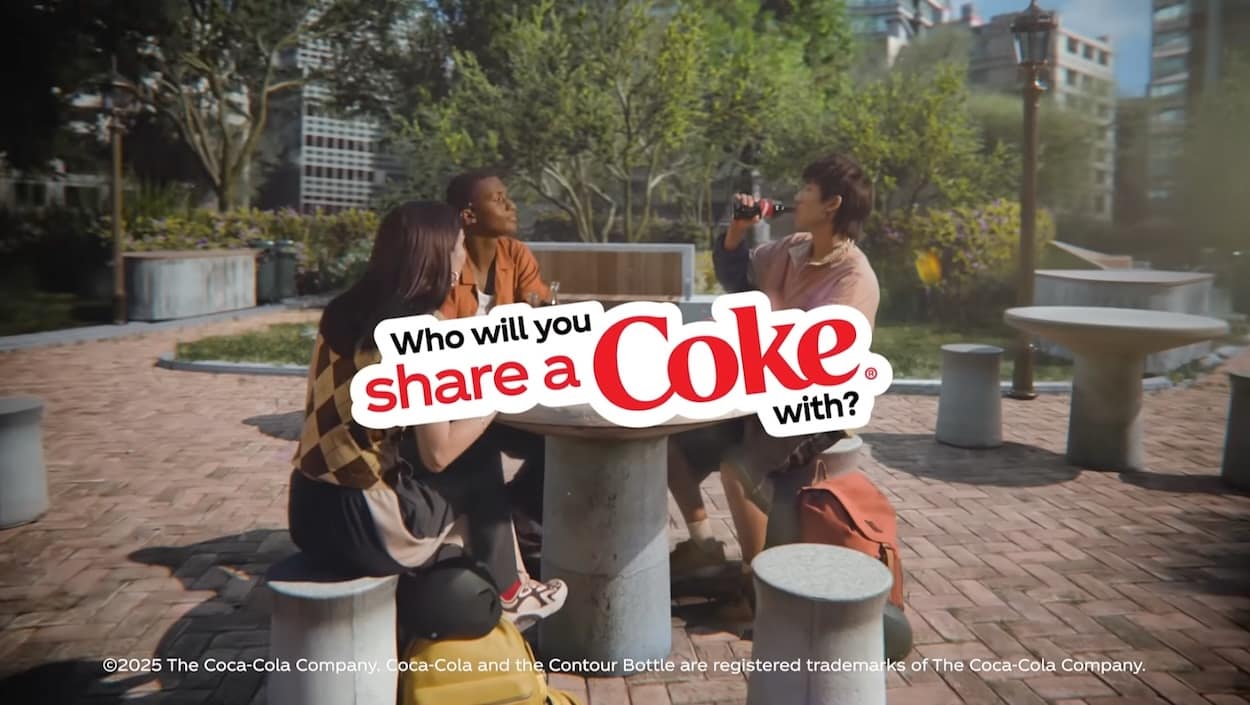
Coca-Cola's “Share a Coke” campaign is a strong example of how brand marketing can boost a brand’s image. Instead of the traditional logo, the company printed popular first names on bottles and cans, encouraging consumers to “share a Coke with” someone they knew. The idea turned a global brand into a personal experience and encouraged people to actively seek out bottles bearing their names or those of friends and family.
The campaign generated massive engagement, both in stores and on social media. Consumers posted photos of personalized bottles and shared them on social media, effectively turning customers into brand promoters.
This personalization increased engagement, contributing to a measurable lift in awareness and sales. In some markets, the campaign led to an 11% increase in sales and hundreds of thousands of user-generated posts, demonstrating how strong brand storytelling can translate into real business growth.
3. Dove “Real Beauty” Campaign

Launched in 2004, Dove’s “Real Beauty” campaign is widely regarded as one of the most influential brand marketing initiatives ever launched. Instead of using traditional beauty models, the brand featured real women of different ages, body types, and backgrounds. It challenged narrow beauty standards and positioned Dove as a brand that supports confidence, authenticity, and self-esteem.
The emotional message resonated strongly with audiences and sparked a global conversation about beauty standards, generating massive media coverage, viral views, and strong consumer engagement.
Over time, the shift toward purpose-driven storytelling strengthened brand loyalty and dramatically improved business performance. Dove’s sales reportedly grew from $2.5 billion to $4 billion, demonstrating how powerful brand positioning can be in driving long-term revenue growth.
What Must Be in Place Before Brand Marketing Works?
Brand marketing works best when strategic foundations are in place. Without them, a campaign may generate visibility while failing to build lasting recognition or meaningful brand equity. The elements below ensure that brand marketing emphasizes a clear identity and creates memory structures that strengthen over time.
- Clear Brand Positioning
Clear brand positioning communicates what the brand stands for, who it's for, and how it differs from competitors. It sets the direction for messaging, creative execution, and channel strategy. When positioning is unclear or inconsistent, brand marketing becomes fragmented, and audiences struggle to understand what makes the brand different.
- Deep Audience Insight
Effective brand marketing starts with a deep understanding of the audience, including their motivations, emotional drivers, unmet needs, and decision-making triggers. Audience insight shapes the tone, message, and creative style of brand communication. When messaging aligns with real audience motivations, campaigns become more relatable and memorable, increasing the likelihood that people notice and remember the brand.
- Distinctive Brand Assets
Distinctive brand assets are recognizable elements that signal the brand even before the logo appears. These can include colors, typography, taglines, visual styles, sonic cues, or packaging shapes.

When used consistently, these assets serve as shortcuts for recognition in crowded environments. Over time, repeated exposure strengthens the mental link between the asset and the brand, making it easier for audiences to quickly identify the brand.
- Consistent Execution
Consistent execution turns brand exposure into memory. The brain encodes patterns more easily when it's exposed to the same messaging, visual cues, and tone across campaigns and channels. Over time, this strengthens recall and mental availability, ensuring that the brand comes to mind more quickly when people are considering a purchase. Without consistency, even high levels of advertising spend can fail to produce lasting brand recognition.
Explore how distinctive assets improve advertising effectiveness
How Should Brand Campaigns Be Structured?
To structure brand campaigns effectively, companies must build them on a clear strategic framework rather than a series of disconnected marketing activities. This ensures every campaign reinforces the same core message and strengthens brand recognition over time.
Start by deciding on a long-term campaign platform. Instead of launching new ideas every year, develop a platform that runs for several years while evolving creatively. This platform acts as the central idea that consistently communicates the brand’s positioning.
Since the core message stays stable, audiences encounter the same brand story across different executions. With time, repetition strengthens awareness and recall, making the brand easier to recognize and remember.
Another important component is a clear messaging hierarchy.
This structure ensures that even when campaigns highlight different products or stories, they still reinforce the same core brand meaning
Consistency is further supported through creative systems. These are visual and stylistic rules that guide how the brand appears across advertising and content, such as color palettes, typography, imagery styles, characters, or taglines.
When these elements appear repeatedly across campaigns and channels, they become recognition shortcuts, helping audiences identify the brand before seeing the logo.
These components work together to form a clear campaign architecture that keeps messaging and visuals aligned across different marketing activities.
To illustrate how these components work together, consider the simplified campaign architecture below.
See how brand advertising builds memory and mental availability
Which Channels Build Awareness Best?
.jpg)
Historically, the best channels for brand awareness were television, radio, print media, and billboards. These reach-driven channels connected brands with the largest audience possible to maximize visibility rather than immediate conversions.
With over half the world’s population on social media, brands also use digital platforms such as social media, SEO, email, and video to achieve broader reach. These digital channels support brand marketing goals by targeting audiences precisely and tracking engagement.
Experiential marketing, including events, pop-ups, or in-store activations, creates more impactful reach through direct interactions that build emotional connection and deepen brand loyalty.
Below is a table comparing different marketing channels and their brand awareness strength.
Discover how cross-channel brand activity is measured
What Makes a Brand Campaign Successful?
Successful campaigns follow a set of recognizable patterns: a clear strategic idea, a focused message communicated, and distinctive creative elements that audiences can easily remember. When these elements work together, brand campaigns improve mental availability, making the brand easier to remember in buying situations.
One of the most consistent patterns of campaign success is clarity of message. High-performing campaigns usually revolve around a single strong idea rather than multiple competing themes. When the core message is simple and focused, creative teams can reinforce it repeatedly across different channels and formats.
This clarity helps audiences quickly understand what the brand stands for, thereby improving attention and reducing confusion. With time, the repeated exposure to the same clear message strengthens recognition and recall.
Another common factor is emotional resonance. Campaigns that trigger emotion, for example, inspiration, humor, nostalgia, or empathy, are more likely to be remembered. Emotional responses increase memory encoding in the brain, making the brand easier to recall later. When emotion is paired with distinctive brand cues such as colors, slogans, or visual styles, the brand becomes more memorable and meaningful to audiences.
The following examples illustrate how these principles translate into measurable business outcomes.
- Nike: “Dream Crazy"
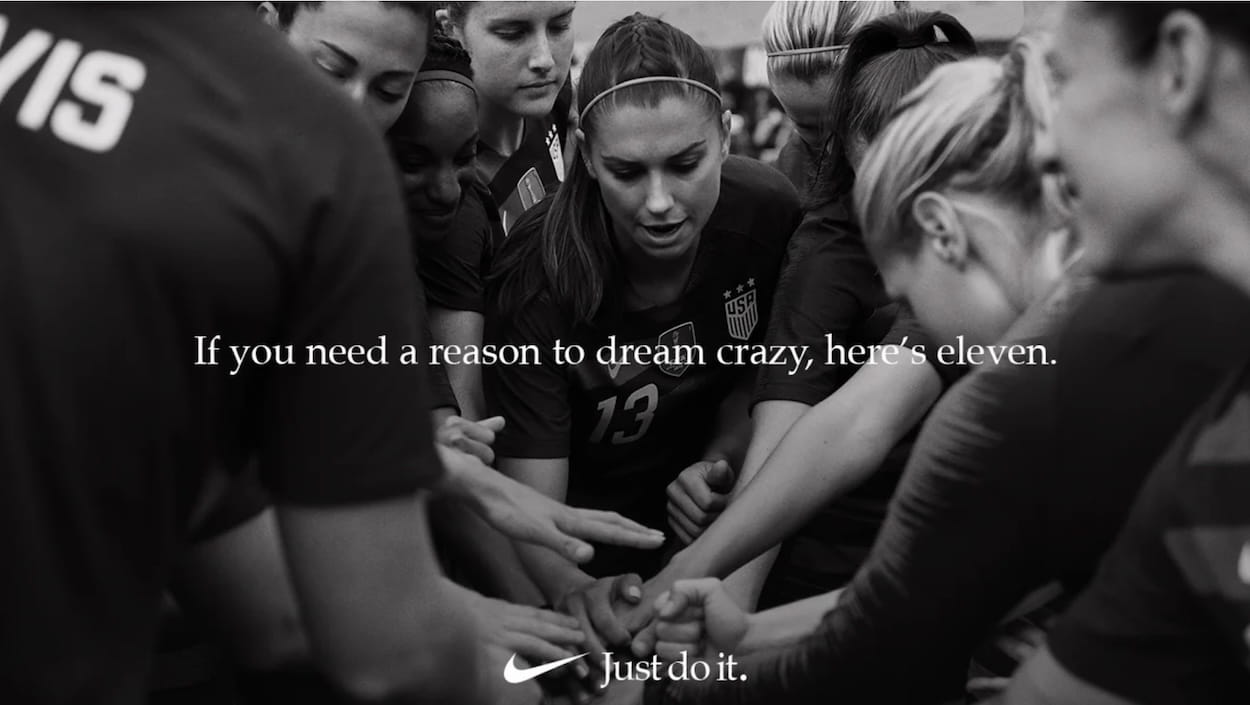
Nike’s “Dream Crazy” campaign highlighted athletes who overcame adversity and pursued ambitious goals, reinforcing the brand’s long-standing message of determination and empowerment.
The campaign generated massive cultural attention and strengthened Nike’s purpose-driven positioning, leading to a reported 31% surge in sales shortly after launch and a $6 billion increase in brand value.
- Apple: “Shot on iPhone”

Apple’s “Shot on iPhone” campaign showcased photos and videos taken by real iPhone users, turning customer creativity into global advertising. By emphasizing real-world results rather than technical specifications, the campaign reinforced Apple’s positioning as a brand of creativity and innovation. It generated billions of impressions and millions of user-generated posts, strengthening iPhone’s premium perception and supporting continued global sales growth.
- Old Spice: “The Man Your Man Could Smell Like”
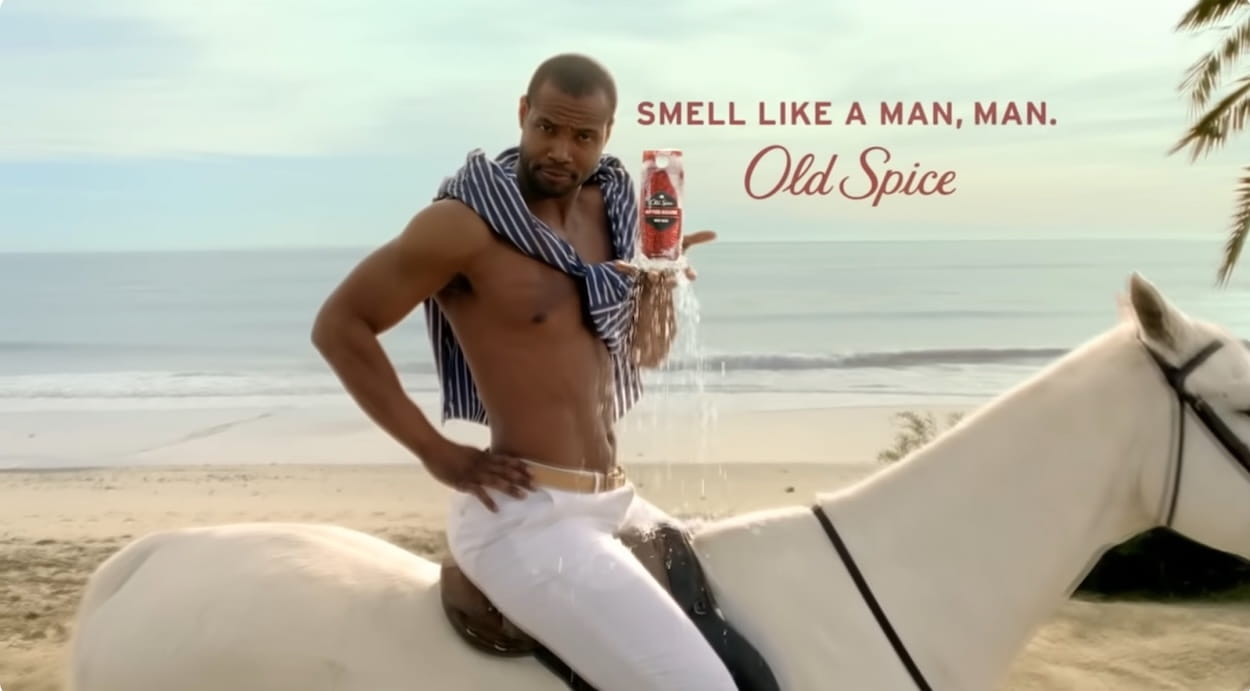
Old Spice revived its brand image with a humorous and unique campaign featuring fast-paced comedic monologues delivered by a charismatic spokesperson. The ads quickly went viral online, capturing 76% of online buzz and dramatically increasing brand awareness among younger audiences. The campaign successfully repositioned Old Spice as a modern grooming brand and contributed to significant sales growth and widespread social media engagement.
Learn how brand lift evaluates campaign effectiveness
How Should Brand Marketing Be Measured?
Brand marketing measurement evaluates the effects of brand marketing activities on awareness and long-term business outcomes. Rather than focusing solely on immediate sales, it considers how brand marketing efforts shape how people know, feel, and remember the brand. These shifts in perception are important because they shape future purchase behavior and determine how easily a brand comes to mind when customers are ready to buy.
Measuring brand marketing requires a different approach from measuring short-term campaigns because it often influences buyers' decisions long before they take action.
Traditional attribution models, such as last-click attribution, focus on the final interaction leading up to a conversion. While this works well for performance marketing, it can't be applied to brand marketing since it influences decisions much earlier in the buyer journey.
A consumer may see a brand video weeks or even months before making a purchase, gradually building familiarity and trust with the brand. When they eventually convert, perhaps through a search ad or a direct visit, the attribution model credits that final interaction, completely overlooking the exposure that created the demand in the first place.
As a result, brand marketing is measured using a combination of perception metrics and long-term business indicators. The goal is to track whether campaigns increase mental availability, strengthen how well audiences recognize and remember the brand, and ultimately influence purchasing behavior. Brand marketing is measured using awareness, recall, lift, and equity metrics.
- Brand Awareness
Brand awareness measures how well people know or recognize a brand. It's tracked through surveys that measure aided awareness (brand recognition with a prompt) and unaided awareness (brand recognition without a prompt). Growth in awareness indicates that marketing efforts are expanding the brand's reach.
- Brand Recall
Brand recall measures whether audiences remember the brand after seeing its adverts. Recall is tested through ad recall surveys or post-exposure research that assesses whether people can identify the brand associated with an advertisement. High recall indicates that the campaign successfully captured attention and created a lasting memory.
- Brand Lift
Brand lift measures the impact of a campaign on awareness, perception, consideration, preference, or purchase intent by comparing audiences exposed to the advertising with those who weren't. Lift measurement helps marketers understand whether their brand advertising is improving perception and increasing purchase intent by isolating the effect of a campaign.
- Equity Metrics
Equity metrics measure the brand's overall strength over time. These indicators include brand consideration, preference, trust, and loyalty. Strong equity often translates into tangible business benefits such as higher retention, increased willingness to pay, and stronger market share. Tracking these metrics regularly helps companies understand whether their brand marketing is strengthening long-term competitive advantage.
Understand how brand tracking measures awareness and recall
Which Brand Metrics Matter Most?
.jpg)
Brand performance is evaluated using a combination of leading indicators and lagging indicators.
Leading indicators are early signs of how audiences are responding to brand activity. They measure perception, awareness, and engagement before any changes appear in revenue or marketing share. Using these metrics, marketers can understand whether their campaigns are strengthening brand memory and visibility in the market.
Lagging indicators are metrics that reflect the final outcomes of your brand marketing efforts. Usually, they are the business metrics that result from a stronger brand equity. Examples of these metrics include revenue growth, customer retention, and market share. They change more slowly because they depend on the combined effect of awareness, recall, and preference built over time.
The five core KPIs used to evaluate brand performance are brand awareness, recall, consideration, sentiment, and customer loyalty.
- Brand Awareness
Brand awareness measures how much people recognize or know about a brand. It's tracked through aided and unaided awareness surveys and is most useful when evaluating whether brand marketing is expanding market visibility. Low awareness indicates that the brand is not reaching enough of the target audience.
- Brand Recall
Brand recall measures whether people remember a brand after being exposed to marketing or advertising. This metric assesses how effectively a campaign captures attention and sticks in people’s memories. Recall is useful for evaluating creative performance because high recall indicates that brand cues are clear, distinctive, and easy for audiences to remember.
- Brand Consideration
Brand consideration measures the likelihood of consumers considering a brand before making a purchase decision. A rise in consideration levels means marketing efforts are successfully moving potential customers closer to choosing the brand.
- Brand Sentiment
Brand sentiment measures how people feel about a brand using social listening tools, surveys, or customer feedback analysis. This metric is useful for understanding reputation, trust, and emotional perception. A brand may have high awareness but negative sentiment, which signals potential problems with brand perception.
- Customer Loyalty
Customer loyalty measures how likely existing customers are to repurchase from the brand or recommend it to others. Loyalty metrics, such as repeat purchase rates or Net Promoter Score (NPS), are valuable for understanding whether brand marketing is strengthening long-term relationships and retention.
Perception metrics such as awareness, recall, and sentiment reveal how people feel about the brand and typically occur earlier in the marketing cycle. Revenue metrics such as sales growth and market share reflect the financial outcomes of strong brand perception.
Explore advanced brand marketing KPIs
How Is AI Changing Brand Marketing?
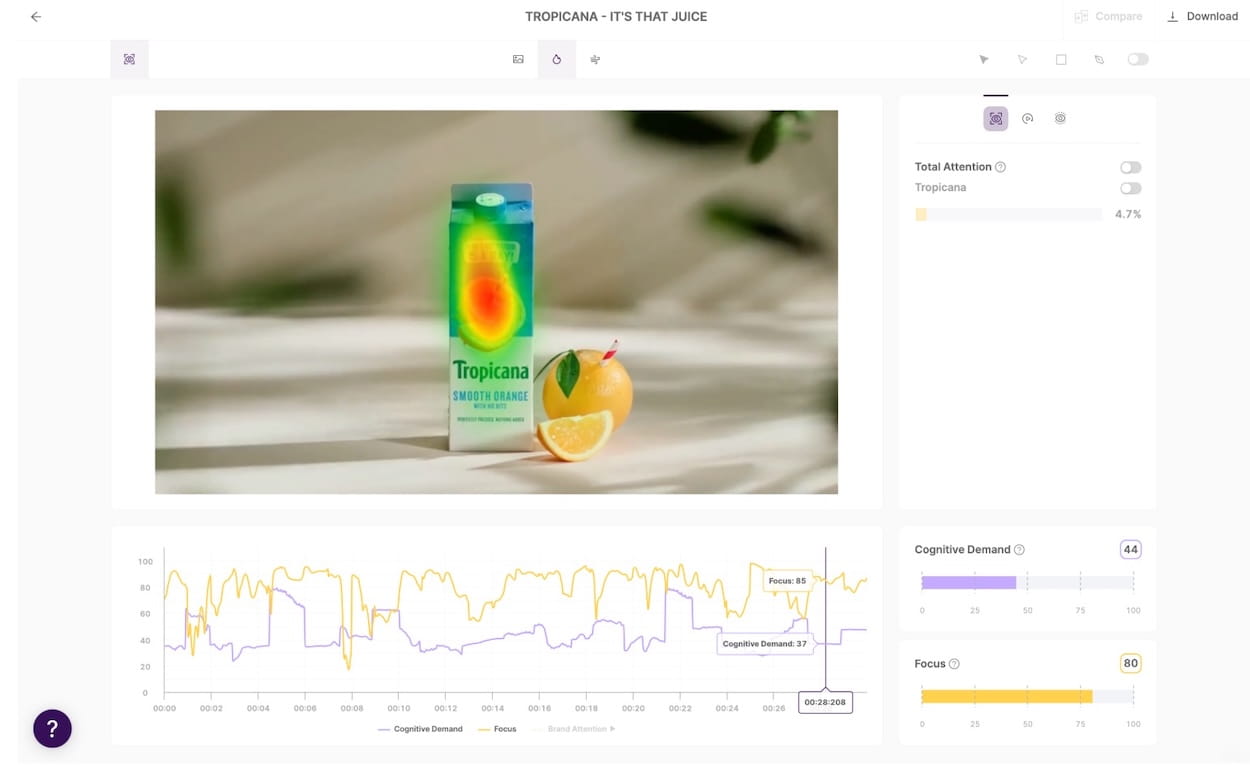
Artificial intelligence is changing how brand marketing strategies are developed, tested, and optimized. In the past, brand marketing relied heavily on historical data, surveys, and post-campaign analysis to measure effectiveness. Today, AI enables marketers to analyze large volumes of consumer data in real time, predict audience behavior, and evaluate creative performance before campaigns are launched.
One of the key ways AI improves brand marketing is through audience segmentation. By analyzing behavioral, demographic, and contextual data across platforms, AI identifies patterns in how different groups interact with a brand. This allows marketers to create precise segments based on interests, motivations, and purchasing behavior instead of broad demographics, making it easier to tailor messaging while maintaining a consistent brand identity.
AI also makes creative testing and optimization easier. Machine learning tools analyze visual elements in ads, such as color contrast and text hierarchy, to predict how viewers are likely to respond. Marketers can then test multiple creative variations to identify which assets are most likely to capture attention and reinforce brand recognition.
Using predictive AI tools like Neurons AI in brand marketing increases campaign confidence. Instead of relying on gut instinct or trial and error, these tools provide data-driven predictions about how creative assets and media placements are likely to perform. With these insights, brands can make more informed decisions about budget allocation, messaging, and channel strategy.
AI can also lead to clear performance improvements. Better audience segmentation increases relevance and engagement. Creative testing improves the chances that ads capture attention and stick in memory. Predictive modeling helps marketers allocate budgets more efficiently. Together, these advantages can lead to stronger brand recall, more effective campaigns, and better use of media spend.
See how AI strengthens brand marketing performance
How Does Brand Marketing Support Brand Development?
Brand development is the long-term process of strengthening a brand’s identity, positioning, and market value. Effective brand development involves defining what the brand stands for, shaping how it's perceived by customers, and building associations that differentiate it from competitors.
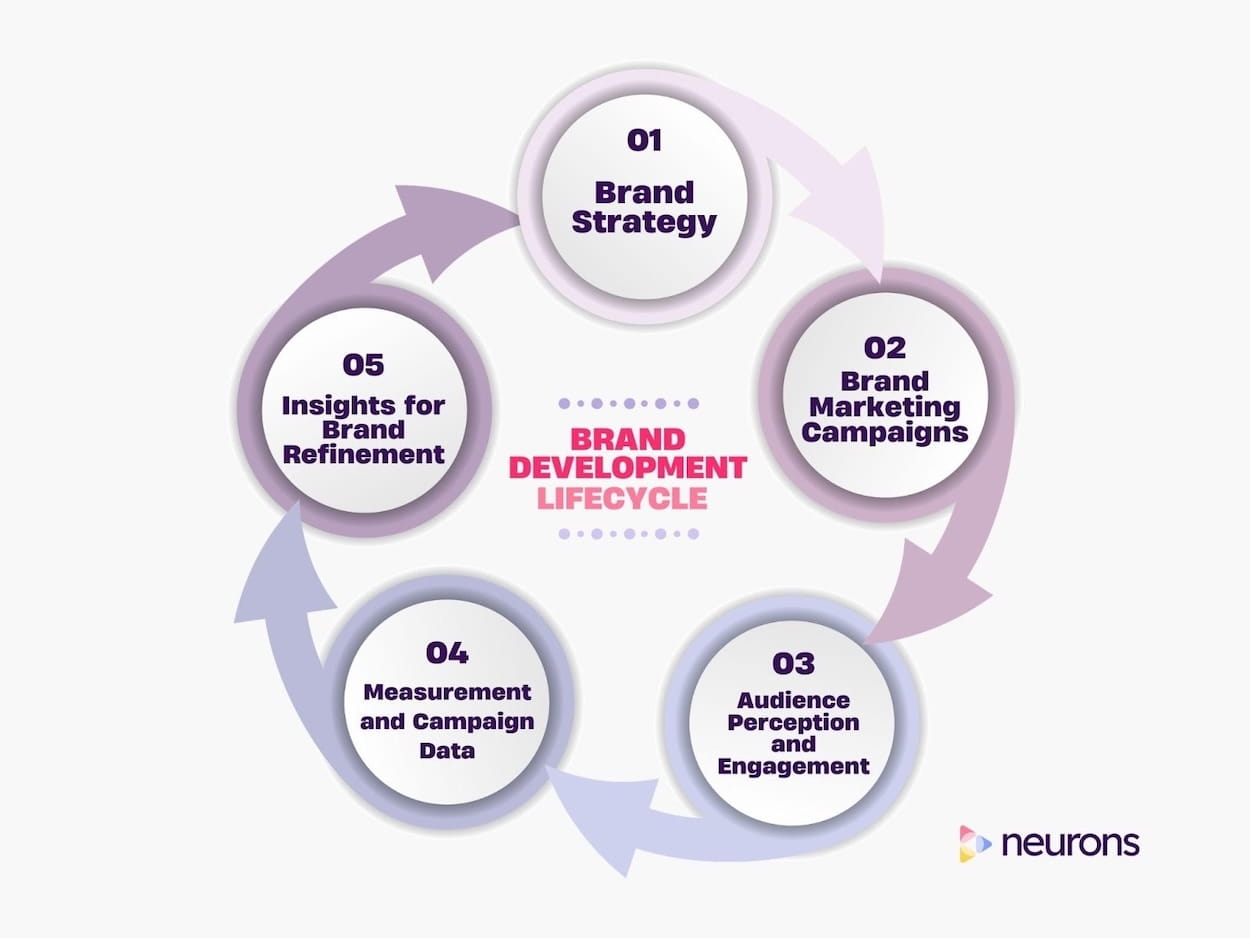
A brand's positioning, i.e., its unique value proposition and emotional meaning, becomes effective only after audiences repeatedly encounter it in real-world communication. Brand marketing reinforces this positioning by expressing the brand’s core ideas through campaigns and visual identity systems across channels over time. This repetition strengthens mental associations, making it easier for customers to understand what the brand represents and why it matters.
Brand marketing also produces valuable data that helps companies refine their brand strategy as markets change. Metrics such as campaign performance, brand lift studies, audience feedback, and engagement data reveal how people perceive the brand and which messages resonate most. With these insights, marketers adjust positioning, messaging, or creative direction while still keeping the brand’s core identity consistent.
Over time, this cycle of communication and learning allows brands to evolve while remaining recognizable. Brand marketing serves both as a way to communicate the brand and as a system for learning how it can improve over time. A typical brand development lifecycle is illustrated in the diagram below.
Learn how brand development and marketing drive long-term growth
Why Do Brand Marketing Strategies Fail?
Brand marketing strategies fail because key structural elements are missing or mismanaged. A brand campaign without clear positioning or a strong strategic direction will attract attention but fail to build lasting recognition. Without a clear idea of what the brand stands for, marketing becomes scattered, and audiences struggle to understand what makes the brand different.
Another common problem is inconsistent messaging. Brand marketing works through repetition; people need to see the same ideas, visuals, and tone over time to remember a brand. When campaigns constantly change direction or visual identity, those mental connections never fully form, which weakens brand recognition and recall.
Strategies also break down when companies rely too heavily on short-term performance metrics. Metrics such as clicks, conversions, and cost per acquisition are useful, but they primarily measure immediate demand. When brands focus only on these numbers, they reduce investment in long-term brand building, which slowly weakens awareness and brand preference.
These issues eventually show up in measurable results. Inconsistent messaging can lead to lower brand recall, weak positioning can reduce consideration, and over-reliance on performance marketing often increases acquisition costs. Over time, the brand becomes harder to remember and more expensive to grow.
Avoid common brand marketing measurement mistakes
How Should Brands Balance Brand and Performance Investment?
To balance brand and performance investment, companies need to consider their stage of growth, since both play important roles. Performance marketing captures existing demand in the short term, while brand marketing builds future demand by increasing awareness, recall, and preference.
Companies that focus only on short-term conversions may see a quick boost in sales, but they risk weakening their ability to attract new customers over time. On the other hand, companies that invest only in brand marketing may wait much longer to see sales results. A balanced approach allows brands to generate immediate revenue while also building the demand needed for long-term growth.
The balance between brand and performance investment also influences a company’s profitability. When brand awareness and preference are strong, performance campaigns convert more efficiently since more people recognize and trust the brand. This leads to lower customer acquisition costs and a stronger return on ad spend.
In contrast, when brand investment is too low, performance campaigns work harder to convince unfamiliar audiences, thereby increasing marketing costs and reducing overall efficiency.
A simplified example of budget allocation by business stage is outlined in the table below.
In the early stages, companies often invest more heavily in performance marketing to generate immediate revenue. As the brand grows and competition increases, investing more in brand marketing becomes important to expand awareness and strengthen differentiation. For mature brands, stronger brand investment helps protect market share and maintain long-term pricing power.
Brand investment should increase when acquisition costs rise, brand awareness is lower than that of competitors', or growth slows despite strong performance marketing. Strengthening brand investment in these cases helps rebuild awareness and preference, making future customer acquisition more efficient.
Ultimately, the goal is not to choose between brand and performance marketing but to integrate them. Research from the IPA Databank by Les Binet and Peter Field suggests that the strongest long-term growth often occurs when about 60% of marketing investment goes to brand building and 40% to sales activation. This balance supports both short-term revenue and long-term demand growth.
Understand how brand and performance marketing work together