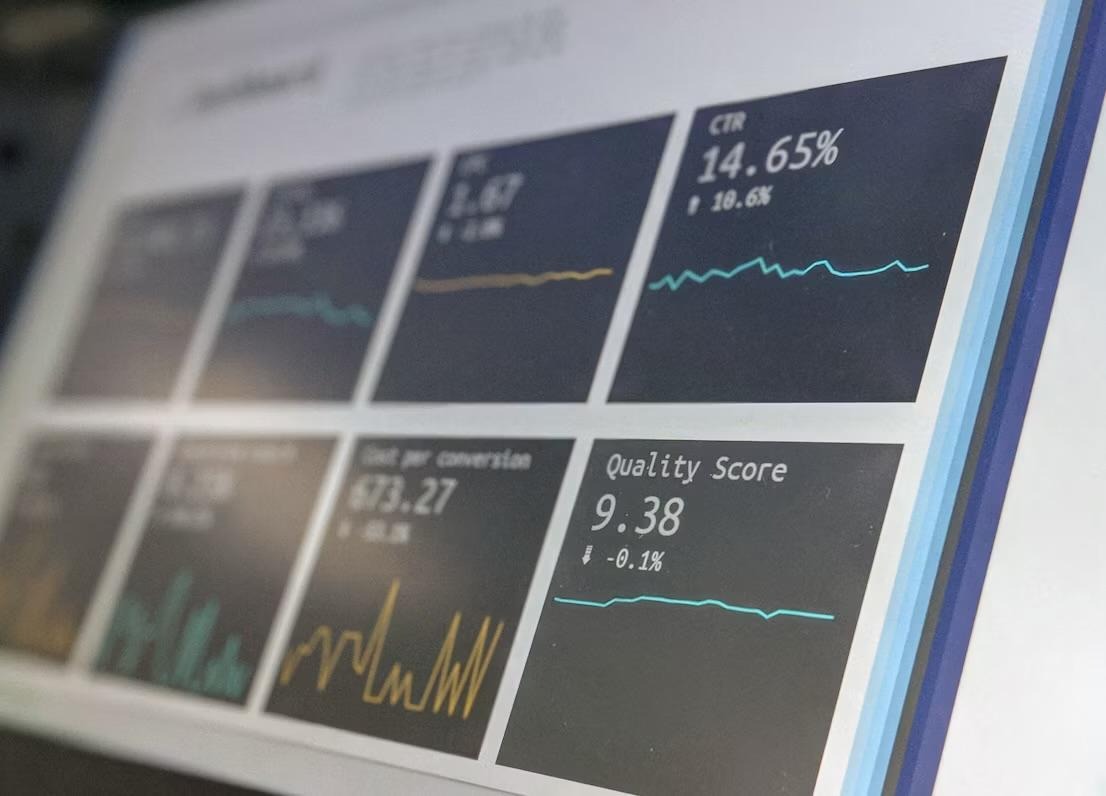
A brand tracking study is an ongoing research system used to measure brand performance over time.
Unlike one-off brand research, which offers a snapshot of perception at a specific point in time, a brand tracking study provides a continuous picture. It tells marketers where a brand stands and how it’s changing in awareness, perception, and loyalty.
Brand tracking studies improve marketing decisions by uncovering trends that help marketers better understand the market and allocate resources more effectively.
What Is Brand Tracking and Why Does It Matter?
Brand tracking measures how a target audience perceives, remembers, and engages with a brand across multiple touchpoints. Continuous measurement is necessary because it captures long-term shifts in brand awareness, perception, and loyalty that short-term campaign-level reports miss.
The major benefits of brand tracking include campaign evaluation, competitor benchmarking, and long-term brand growth.
- Campaign Evaluation
Brand tracking provides insight into how campaigns impact awareness, perception, and recall
- Competitor Benchmarking
Brand tracking allows brands to compare their performance against competitors to identify strengths, weaknesses, and market positioning gaps
- Long-Term Brand Growth
Continuous brand tracking uncovers opportunities, refines strategy, and builds stronger brand equity.
Learn how continuous brand tracking works and why it matters for growth
What Metrics Should a Brand Tracking Study Measure?
Metrics are the foundation of brand tracking. They translate abstract concepts like “brand strength” into measurable indicators that can be tracked over time and mapped to different stages of the marketing funnel.
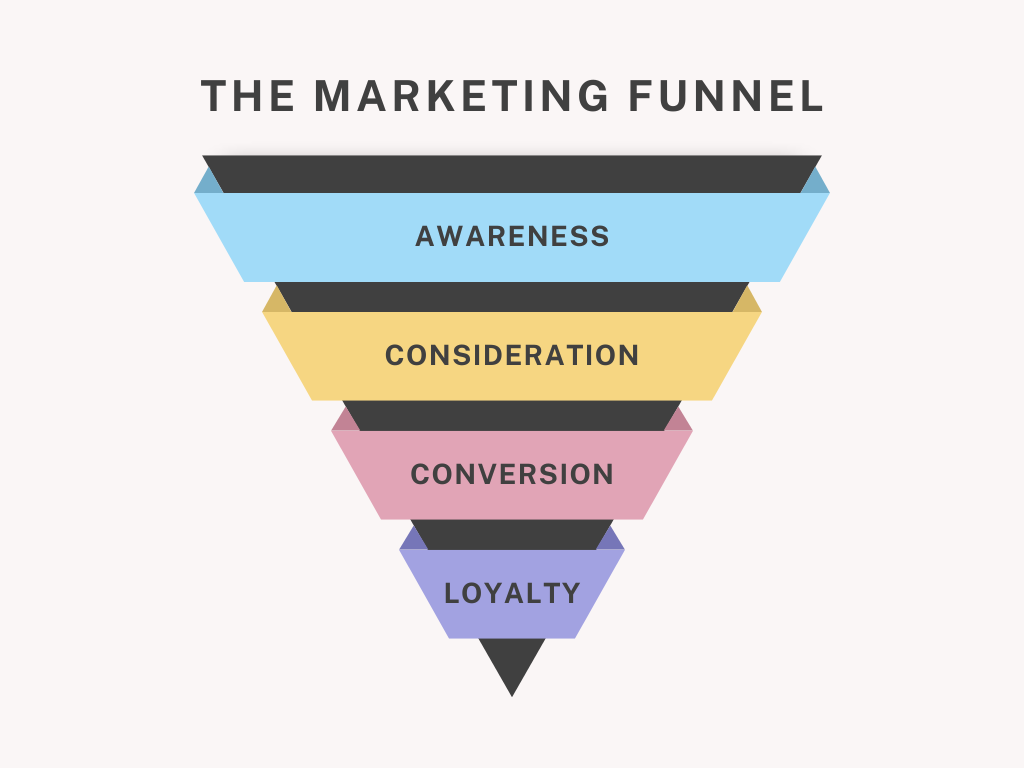
Awareness metrics sit at the top of the funnel, perception and consideration metrics in the middle, and loyalty metrics, like NPS, at the bottom.
The table below highlights the key metrics every brand tracking study should include and what each one reveals.
Together, these metrics provide a comprehensive view of brand performance spanning from brand visibility to long-term loyalty.
Understand how brand metrics connect to overall brand performance
How Do You Conduct a Brand Tracking Study Step by Step?
To conduct a brand tracking study, follow the structured seven-step process outlined below.
Each step builds on the previous one, creating a repeatable system that ensures consistency across tracking waves. The following sections break down how each step works in practice.
Step 1: Define Goals and KPIs
Start by identifying 2–3 specific objectives that align with your broader marketing or business priorities. These should focus on what you want to improve about your brand, such as:
- Increase brand awareness in a new market
- Improve brand perception around quality or trust
Once objectives are clear, map each one to a measurable KPI:
- Awareness goals = Aided and unaided awareness (%)
- Perception goals = Brand attribute ratings (e.g., “premium,” “innovative”)
For example, a skincare brand aiming to grow awareness among Gen Z might track an increase in unaided awareness from 18% to 30% within six months.
In this step, avoid vague or non-measurable goals that lack precision and can't be tracked effectively.
Step 2: Select the Right Audience
A well-designed brand tracking study includes multiple audience segments for a holistic view of the market.
These segments can include current customers, non-customers who are active in the category, and customers of competing brands. This approach helps businesses understand how their brand is perceived by existing users and how it compares to its competitors.
For example, a company may compare current users with category buyers who haven’t purchased the brand to uncover awareness or perception gaps limiting growth.
Consistency in sampling is essential, ensuring changes in metrics reflect true shifts in perception rather than differences in the sample.
Step 3: Design the Brand Tracking Survey
Well-structured surveys begin with awareness questions, followed by perception and behavior, and conclude with loyalty metrics. This progression avoids bias, ensuring that earlier questions do not influence later responses.
Some sample questions and their implications are outlined below.
- Unaided awareness: “Which brands come to mind when you think of [category]?”
- Aided awareness: “Which of these brands have you heard of?”
- Perception: “Which of the following describes Brand X?”
Consistency is essential in survey design. Core questions should remain unchanged to enable accurate trend analysis, as frequent changes can disrupt comparability and reduce the value of the data.
Step 4: Collect Brand Tracking Data
Brands collect tracking data from three major sources: online panels, customer databases, and website intercepts.
- Online panels are used to reach a broad and representative audience, making them ideal for general market insights.
- Customer databases provide a deeper understanding of existing users.
- Website intercepts capture real-time feedback from visitors actively engaging with the brand.
The frequency of data collection depends on the nature of the business. Fast-moving industries or brands with high marketing spend often benefit from monthly tracking, while quarterly tracking is sufficient for many organizations.
Regardless of the method or frequency, consistency is key. Using the same approach across all tracking waves ensures that results remain comparable over time.
Step 5: Analyze Brand Tracking Results
The value of brand tracking lies in identifying trends over time, not isolated data points. A small change in one wave may be insignificant, but a steady rise over several months signals real progress. Consistent patterns help distinguish noise from meaningful change.
Similarly, comparing results against competitors provides valuable context, helping businesses understand whether changes are unique to their brand or a reflection of broader market shifts.
Finally, marketers should use visualization tools like charts and dashboards to make insights easier to interpret and communicate.
Step 6: Turn Insights Into Action
A brand tracking study should inform decisions that drive measurable outcomes.
Some common examples are outlined below.
- Adjusting messaging based on perception gaps.
- Redesigning ad creatives to improve recall
- Reallocating budgets to better-performing channels
The goal is to create a direct link between data and decision-making so that insights prompt clear actions.
See how to turn brand insights into measurable performance improvements
Step 7: Repeat the Study at Regular Intervals
Repetition is what transforms a one-time study into a true brand tracking system. However, the frequency of repetition depends on the business needs.
High-growth or fast-changing markets require monthly tracking, while quarterly tracking is a common standard for most organizations. In slower-moving industries, annual tracking may be sufficient.
More frequent tracking provides richer data but costs more. The best cadence for a brand is one that delivers meaningful insights without overextending resources.
What Are the Most Common Types of Brand Tracking Studies?
The three most common types of brand tracking studies are continuous tracking, campaign-based tracking, and brand health tracking.
Continuous brand tracking is an always-on measurement approach that collects data at regular intervals, often monthly or weekly. This kind of tracking is ideal for organizations that need ongoing insight to quickly identify and respond to trends.
Campaign-based tracking focuses on measuring the impact of individual marketing campaigns. This kind of tracking focuses on specific marketing initiatives and is useful for understanding how individual campaigns influence metrics like awareness and recall.
Brand health tracking is the annual, biannual, or quarterly assessment of a brand’s overall strength. This approach provides insights that guide long-term strategy and is great for brands that don’t require constant monitoring but still need a strategic overview of performance.
What Are the Most Common Mistakes in Brand Tracking Studies?
Below are some of the most frequent mistakes, why they matter, and how to fix them.
- Inconsistent Surveys
Frequently changing survey questions, structure, or wording across tracking waves breaks comparability over time, making it difficult to identify real trends.
Fix this by keeping a consistent set of core questions and only making changes when necessary.
- Poor Audience Selection
Using a sample that doesn’t accurately represent your target market leads to results that don't reflect true market perception or growth opportunities.
To fix this, include a balanced mix of current customers, non-customers, and competitor users, and ensure consistent sampling criteria across waves.
- Failure To Act on Insights
The study delivers no real value if insights don’t lead to action or change.
Fix this by building a clear process for translating insights into decisions, e.g., campaign adjustments or budget reallocation.
- Ignoring Competitor Benchmarks
Measuring a brand in isolation lacks context, making it hard to judge brand performance within the market.
Fix this by including key competitors in your survey and tracking their metrics alongside your own.
How Can Neurons AI Improve Brand Tracking Studies?
Neurons AI enhances traditional brand tracking by introducing predictive capabilities that go beyond survey data. Using machine learning and neuroscience, Neurons AI measures attention and predicts how audiences will respond to campaigns before they're launched.
Unlike traditional lagging indicators that only reflect past performance, this predictive approach enables brands to optimize content earlier and reduce wasted ad spend.
Discover how Neurons AI predicts creative performance and brand impact
How Does Neurons AI Help Track Key Brand Metrics?
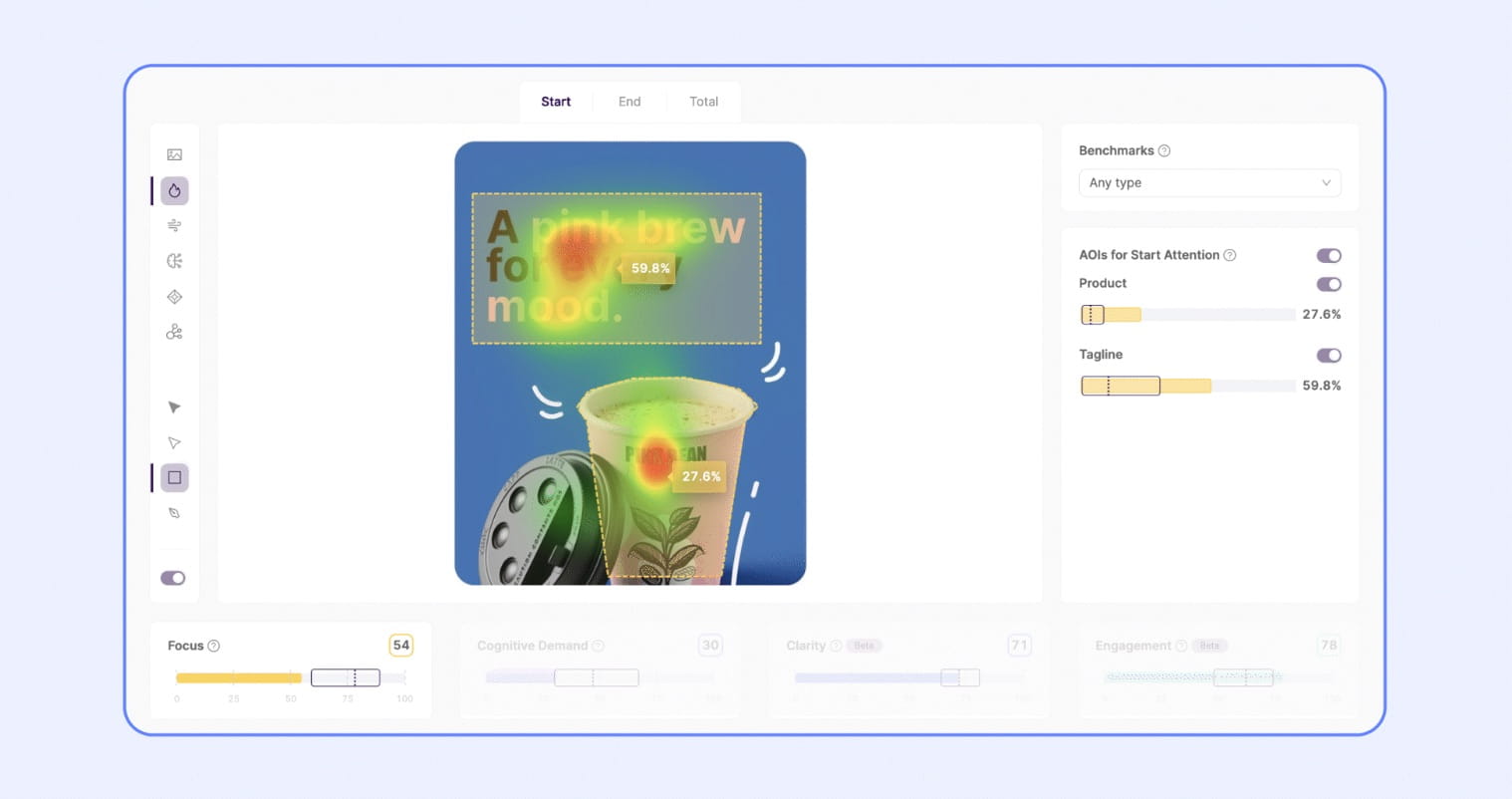
Neurons AI improves the measurement of key brand metrics such as awareness, recall, and engagement using neuroscience-backed tools.
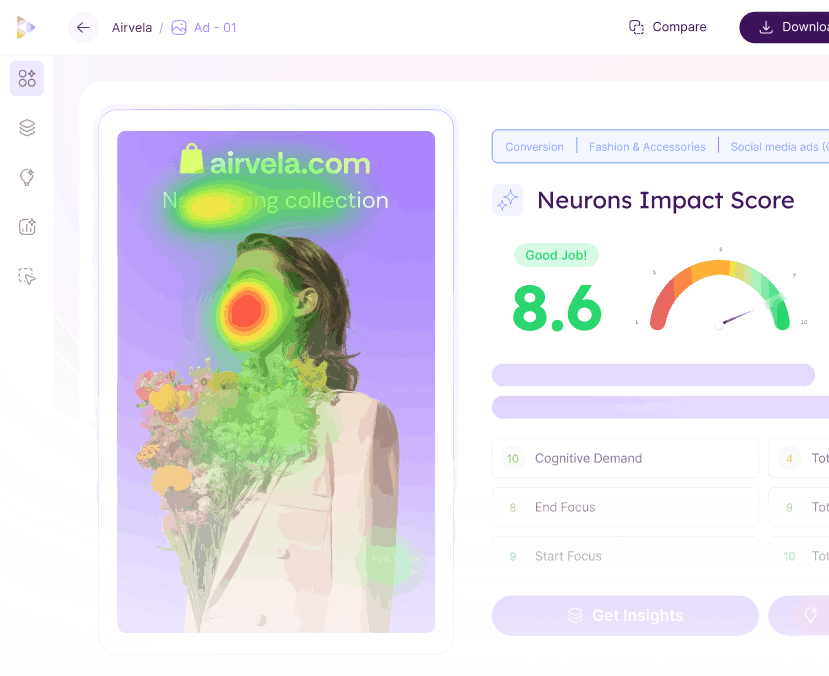
Attention heatmaps, for example, predict whether viewers will remember a brand by revealing which elements capture attention. With this insight, brands can refine creatives faster and more efficiently compared to relying solely on traditional survey-based approaches.
Learn how AI measures attention and optimizes brand performance
How Do Brand Tracking Studies Connect to Long-Term Brand Performance?
Brand tracking studies drive long-term performance through a continuous feedback loop where insights lead to actions, and actions lead to improved outcomes.
For example, a brand tracking study may show high awareness but low consideration, prompting an update in its messaging. Over time, this leads to improved consideration and higher conversions.
By consistently monitoring and responding to changes, organizations can build stronger brands, improve return on investment, and make more informed strategic decisions.
Explore how brand tracking drives long-term brand performance
What Should You Do Next After Running a Brand Tracking Study?
After running a brand tracking study, turn insights into measurable growth using the simple checklist outlined below.
- Analyze the results to identify and understand key trends.
- Implement changes like adjusting messaging, targeting, or budget allocation based on the insight.
- Improve future performance by testing new approaches based on the findings.
- Continuously measure results to track progress and refine strategy over time.
Start building a continuous brand tracking system today