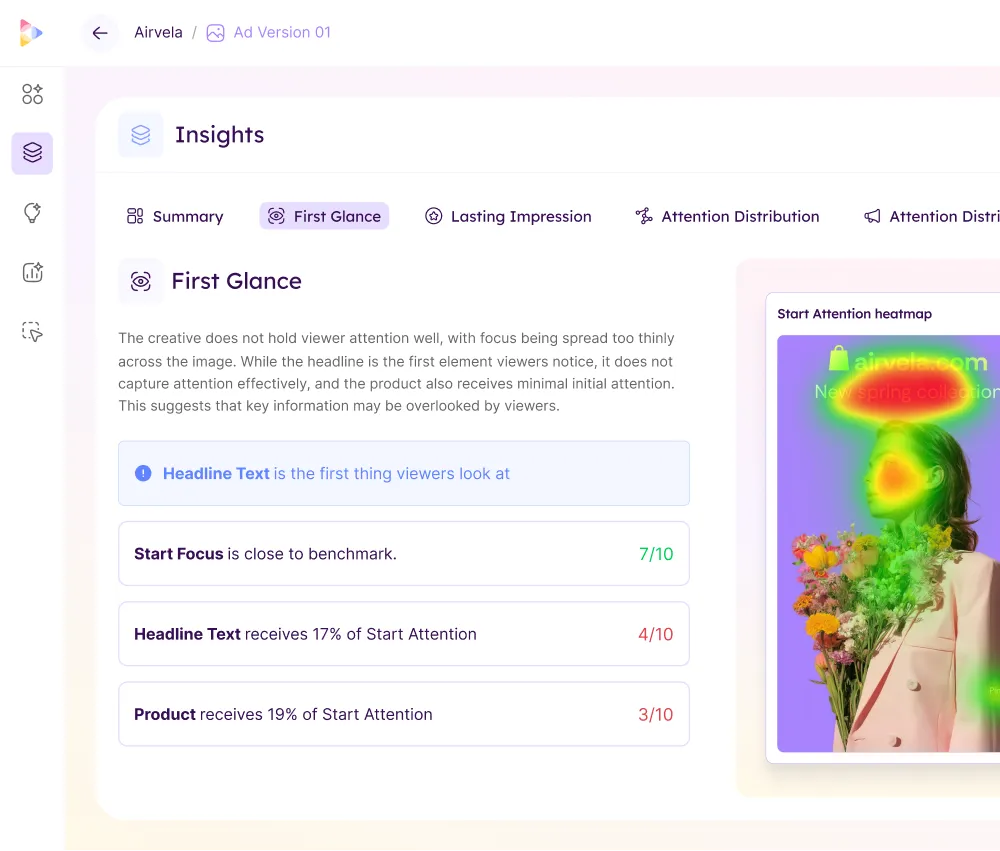
Brand storytelling is the use of stories to communicate a brand’s values, message, and identity. Employing this approach helps people understand what a brand stands for in a clear and relatable way.
Stories build emotional connections and shape how people perceive a brand. Emotions then strengthen memory, which influences how people decide what to buy.
Over time, brand storytelling drives growth by encouraging repeat purchases and building long-term loyalty.
See how brand building drives long-term memory and customer preference
What Is Brand Storytelling?
Brand storytelling is the act of presenting a brand through connected ideas that people can follow and understand.
A strong story gives context, makes ideas easier to understand, and helps people connect with the brand more easily.
What It Is:
- A clear narrative that explains a brand’s message
- A way to present values and identity through stories
- A method for making communication more engaging
What It Is Not:
- A one-time campaign or slogan
- Random content without a clear message
- A replacement for product quality or service
Why Is Brand Storytelling Important in Marketing?
Brand storytelling is important in marketing because it helps brands stand out and stay memorable in a crowded digital space.
In today’s world, many digital channels compete for limited attention. Stories cut through the competing messages by giving people something clear and engaging to remember.
The key benefits of brand storytelling are outlined below.
- Differentiation
Brand storytelling allows businesses to stand out beyond price and features by presenting a clear, distinct narrative.
- Engagement
A strong story keeps people interested and encourages them to pay attention from start to finish.
- Trust
Brand storytelling builds trust by showing what a brand truly stands for through real stories.
- Recall
Stories make it easier for people to remember a brand by structuring messages and making them more memorable.
See how strong brands use storytelling to build recognition and trust
How Does Brand Storytelling Work Psychologically?
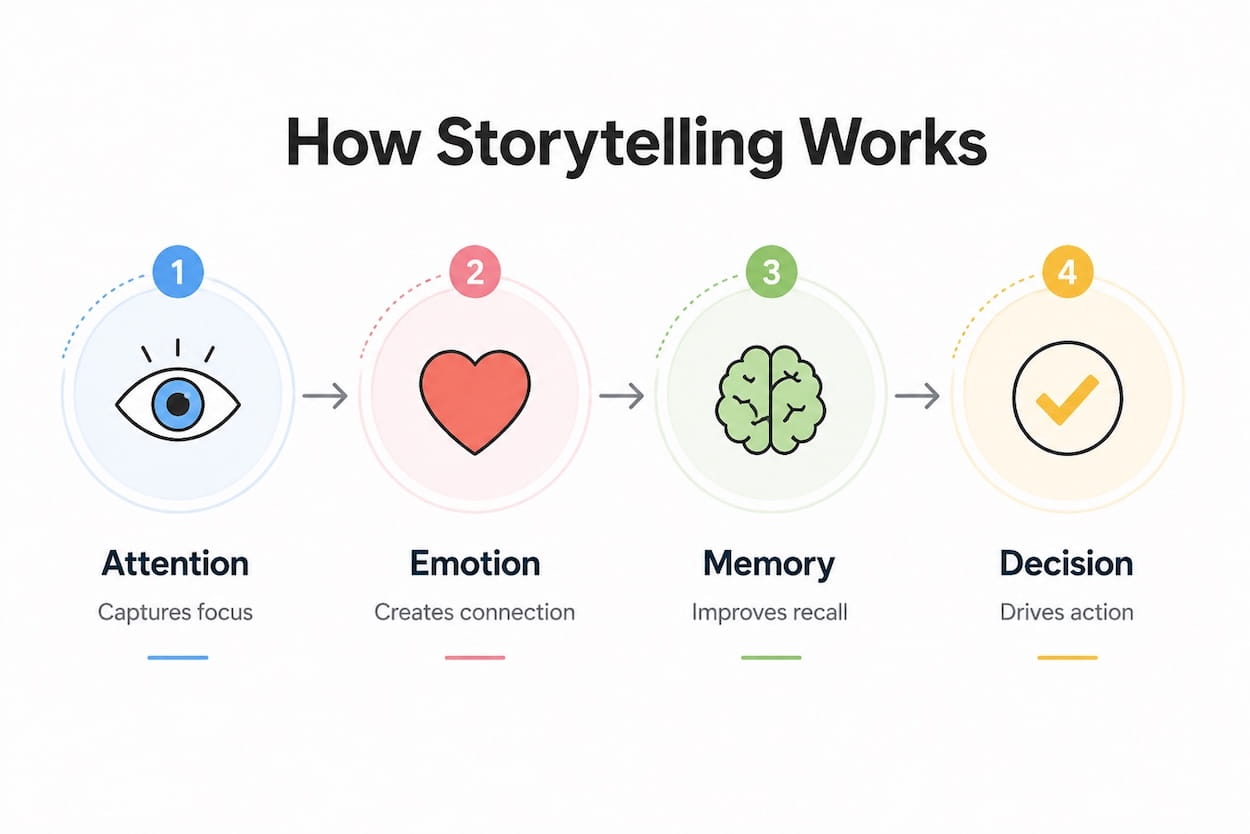
Brand storytelling shapes how people process and respond to a message. A well-structured story keeps people engaged, creates meaning, and stays with them after exposure.
The core mechanisms that explain this process are attention, emotion, and memory.
- Attention
Stories capture attention because they progress sequentially. This flow keeps people engaged and focused.
- Emotion
Once attention is captured, the story creates an emotional response. People react to what happens in the story, and those reactions make the message feel important.
- Memory
When a message feels important, the brain stores it more easily. A well-structured story strengthens recall and makes the brand easier to remember later.
Why Is Storytelling More Effective Than Traditional Advertising?
Storytelling is more effective than traditional advertising because it improves recall and strengthens persuasion. A structured story gives people context and meaning, while product-led messaging presents information without a clear link.
The differences between the two approaches are outlined below.
- Storytelling presents ideas in a sequence people can follow, while traditional advertising lists product features without a clear relationship.
- Storytelling holds attention by building curiosity about what comes next, while traditional advertising competes for attention with separate claims.
- Storytelling creates an emotional response, which strengthens memory, while traditional advertising relies on facts that are easier to forget.
- Storytelling supports decision-making by linking a problem to a clear outcome, whereas traditional advertising relies on repeated claims to persuade.
What Are the Key Elements of Effective Brand Storytelling?
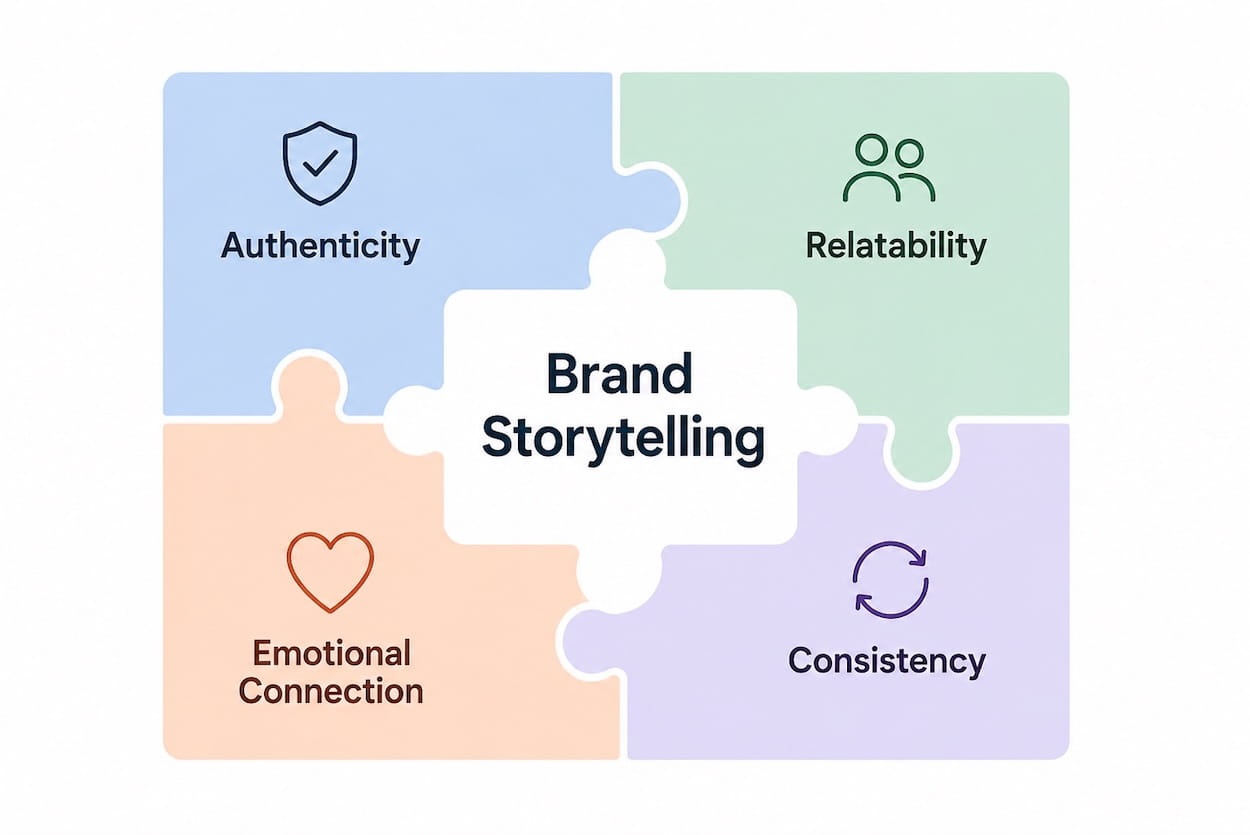
The key elements of effective brand storytelling are authenticity, relatability, emotional connection, and consistency.
Each element plays a role in how the story connects with people and stays clear over time.
- Authenticity
Authenticity shows a brand as it is, so the story feels honest and believable.
- Relatability
Relatability helps people see themselves in the story, so the message feels familiar, relevant, and easy to connect to.
- Emotional Connection
Emotional connection adds feeling to the story, making the message more meaningful and easier to remember.
- Consistency
Consistency keeps the story aligned across channels and over time, so the brand stays recognizable and trusted.
What Are the Best Brand Storytelling Frameworks?
The best brand storytelling frameworks are the Hero’s Journey, the Problem–Agitate–Solution framework, and the Three-Act Structure.
Each framework gives a clear way to structure a message and guide an audience from start to finish. These frameworks help teams create stories that remain consistent across campaigns and are easier to scale over time.
- The Hero’s Journey
The Hero’s Journey places the customer at the center of the story and presents the brand as the guide. The story moves from challenge to transformation. This approach works well for brands that focus on growth, change, or personal progress.
Use it when a brand wants to show progress over time rather than a quick result.
The steps for applying this framework are outlined below.
- Present the customer and a clear challenge so the audience understands what is at stake and why the story matters.
- Introduce the brand as the guide by showing how it supports, equips, or directs the customer.
- Show the journey toward a solution through actions, decisions, or moments of progress.
- End with a clear transformation or outcome that highlights how the customer has changed.
Nike applies this model by showing athletes face limits, receive support, and push beyond those limits. This keeps the focus on personal growth rather than the product and strengthens emotional connection.
- The Problem–Agitate–Solution Framework
The Problem–Agitate–Solution framework starts with a specific pain point, builds urgency, and then presents a solution. This framework fits campaigns that need clear and direct persuasion.
It works best when the audience already understands the problem but needs a reason to act.
This framework can be applied using the steps outlined below.
- State a problem the audience recognizes so the message feels immediate and relevant.
- Expand on the impact or frustration by showing the cost of ignoring the problem.
- Present the brand as the solution with a clear and direct answer that removes the problem.
Many SaaS brands use this structure on landing pages by highlighting a problem, stressing its cost, and offering a clear fix. This shortens the decision-making process and helps users move from awareness to action more quickly.
- The Three-Act Structure
The Three-Act Structure divides a story into a beginning, middle, and end. This format makes the message easy to follow and keeps the narrative clear. This structure suits ads and videos that need a simple and structured flow.
Use when the goal is to explain an idea quickly without losing clarity.
The steps to follow are outlined below.
- Set up the context and situation so the audience understands the starting point and background.
- Introduce a conflict or challenge that creates tension and keeps attention focused.
- Resolve the story with a clear outcome that shows how the situation changes or improves.
Apple uses this structure in product ads by setting a context, introducing a problem, and showing how the product resolves it. This keeps the story simple, clear, and easy to remember across different campaigns.
How Do You Create a Brand Story Step by Step?
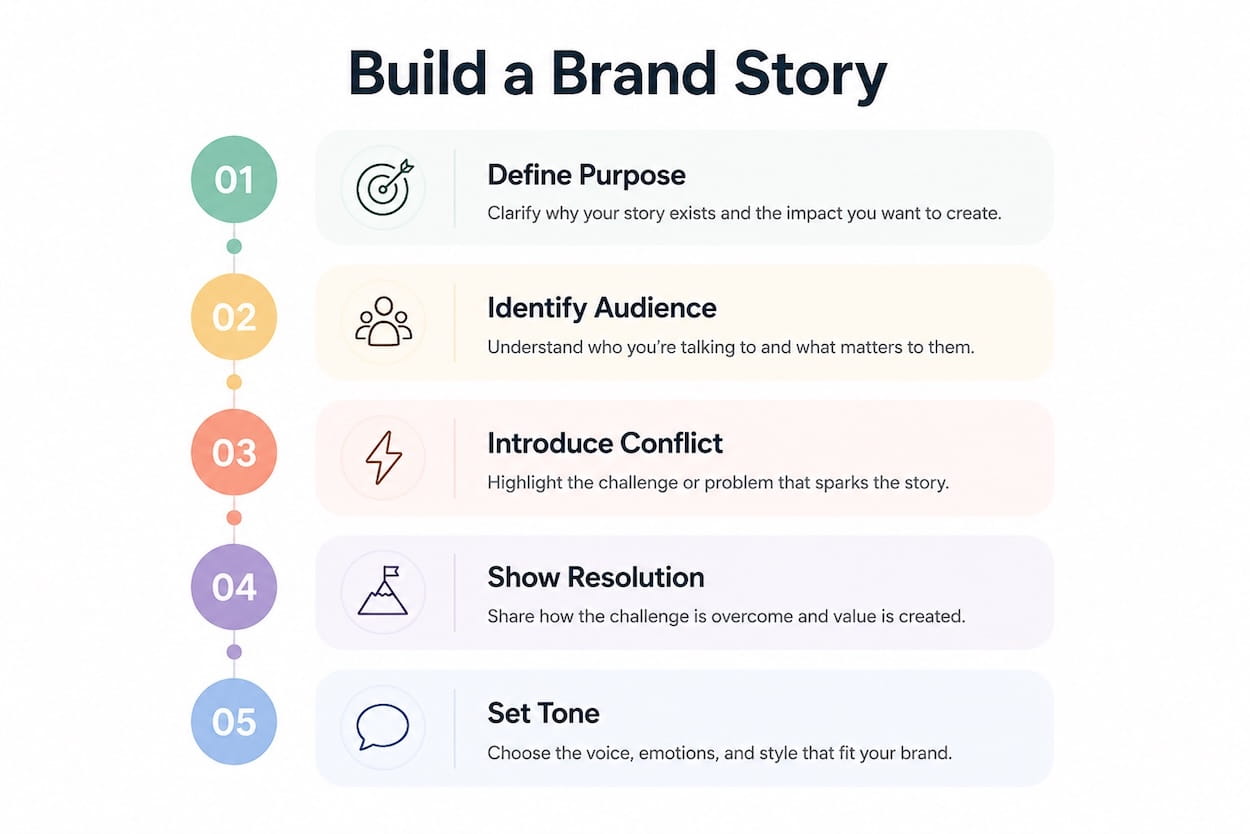
To create a brand story, define what the brand stands for, who it speaks to, and how it solves a meaningful problem.
The steps to follow are outlined below.
Step 1: Define The Purpose
The first step in brand storytelling is to outline the brand's purpose. A clear purpose sets direction and gives the story a strong foundation.
Step 2: Identify The Audience
After establishing the brand purpose, you define who the story is for. Clear audience insight shapes the message and keeps the story relevant and relatable.
Step 3: Introduce The Conflict
A strong story then presents a problem the audience faces. This conflict gives the story focus and makes it meaningful.
Step 4: Show The Resolution
The story shows how the brand helps solve the problem. A clear resolution leads to a believable outcome.
Step 5: Set The Tone
The final step is to decide how the story should sound. A consistent tone keeps the message clear across all channels.
A practical example helps to understand the process better. A fitness brand starts with a purpose to help people build strength and focuses on beginners who feel unsure. Many struggle with confidence, so the brand introduces simple programs as the solution. The story maintains a supportive tone to reinforce trust.
What Are Some of the Best Brand Storytelling Examples?
Some brands stand out because they build stories around clear ideas and repeat them consistently. The examples below show how strong brand storytelling works in practice.
Patagonia

Patagonia builds its story around environmental responsibility, and the brand shows this through its actions, not just its messaging. Sustainability guides product decisions, campaigns, and even what the company chooses not to sell.
The 2011 “Don’t Buy This Jacket” campaign reflected this position by encouraging customers to reduce unnecessary purchases.
Customers do not see Patagonia as a brand that occasionally talks about the environment. They see a company that takes a consistent position, even when it affects short-term sales.
This consistency builds trust and attracts people who share the same values. The message stays clear, and the actions behind it reinforce the story over time.
What Works:
- Purpose leads the story, not the product.
- Actions reinforce the message, so the story feels credible.
- Consistency over time builds trust and long-term loyalty.
Dove

Dove builds its story around a clear human truth: many people feel pressured to meet unrealistic beauty standards. The 2004 “Real Beauty” campaign introduced everyday women as models and moved away from the polished, idealized look common in the industry. This made the message feel honest and relatable.
The strength of Dove’s storytelling comes from repetition and clarity. Dove does not change direction with every campaign but returns to the same idea and explores it in different ways. This keeps the message familiar while allowing it to evolve. Over time, people associate Dove with confidence and self-acceptance, not just personal care products.
Dove keeps its story simple and focused, which makes it easier to recognize and remember. Each campaign builds on the last instead of starting from scratch.
What Works:
- A strong human insight creates an emotional connection.
- Repetition strengthens recognition and meaning.
- A focused message makes the story easier to remember.
Red Bull

Red Bull builds its story around energy, risk, and pushing limits. Rather than advertising the drink, the brand focuses on extreme sports and high-performance challenges. All events, videos, and sponsorship programs reflect the same idea.
Beyond promotion, Red Bull treats every piece of content as part of the story. The brand produces films, documentaries, and live events that people choose to watch, placing the audience inside the experience rather than presenting a message from the outside. Over time, Red Bull has become associated with a lifestyle, and not just a product.
Every piece of content reflects the same theme, which makes the story easy to recognize. The brand consistently builds on this idea rather than shifting direction with the trends.
What Works:
- Content acts as the story, not just a channel.
- A strong theme creates a clear brand identity.
- Consistency reinforces the story across all touchpoints.
LEGO

LEGO builds its story around creativity and imagination by focusing on what people can create rather than the product itself. Campaigns show children and adults building, exploring, and shaping their own worlds.
This approach shifts the audience's role, making them part of the story rather than just consumers. User-generated content further strengthens this, with fans sharing their creations and extending the story beyond official campaigns. Each new creation reinforces the idea of possibility and creativity.
The message remains consistent across ads, movies, and digital content, which makes the story easy to recognize and remember over time.
What Works:
- The audience becomes part of the story, not just a viewer.
- A clear core idea keeps messaging focused.
- Participation extends the story beyond brand-owned content.
Nike

Nike builds its story around effort, discipline, and personal achievement by showing what it takes to push past limits. Their campaigns focus on moments of struggle, doubt, and persistence, where progress comes through continued effort rather than quick results. The product stays in the background while the journey takes the lead.
Nike’s stories feature both elite athletes and everyday people, yet the message remains the same. Progress requires effort, and anyone willing to take that step can move forward. This consistency makes the story recognizable even as the faces and settings change.
Each campaign centers on one idea and expresses it through different stories, which builds familiarity without making the content feel repetitive. Over time, this strengthens recall and makes the brand easier to connect with on a personal level.
What Works:
- The focus stays on people, not products.
- A clear point of view strengthens identity.
- Repetition builds recognition and recall.
Across these examples, clear patterns stand out.
- Each brand builds its story around one strong idea and repeats it consistently.
- The message stays focused, which makes it easier to recognize and remember.
- Real experiences and clear positions make the story feel believable.
- Over time, this consistency turns storytelling into a long-term advantage.
Explore real brand storytelling examples and case studies
How Is Brand Storytelling Used in Digital Marketing?
Brand storytelling is used in digital marketing to create consistent and engaging messages across channels. Each channel presents the story in a different format while keeping the core message the same.
The main uses across channels are outlined below.
- Ads
Storytelling in ads presents a problem, builds interest, and leads to a clear outcome. Video ads often follow a short narrative, while display ads rely on simple visuals and taglines to carry the message.
- Social Media
Brands apply storytelling in social media through posts, threads, and short videos. Content often shows real moments, behind-the-scenes views, or customer experiences. These formats keep the story ongoing and interactive.
- Websites
Brands use storytelling on websites to guide visitors from introduction to action. Homepage sections, about pages, and landing pages present the brand’s message in a clear flow. This helps visitors understand and decide.
- Video
Videos are used to tell more detailed stories through visuals and sound. Formats include brand films, product stories, and short-form clips that make the message easier to follow and remember.
How Does Storytelling Improve Advertising Performance?

Storytelling improves advertising performance by holding attention, increasing engagement, and driving stronger conversions. A clear narrative makes the message easier to follow and act on.
The impact of storytelling on performance is outlined below.
- Attention
Storytelling pulls people in by creating curiosity. As people want to see what happens next, they stay longer, increasing watch time and reducing drop-off.
- Engagement
Stories give people something to respond to. Viewers react, comment, or share when they connect with what they see, leading to higher interaction with the ad.
- Conversion
A story connects the problem to a clear outcome. When people understand the value, they feel more confident taking action, which supports higher conversion rates.
See how ad creatives are tested and optimized for performance
How Do You Measure Brand Storytelling Effectiveness?
Brand storytelling effectiveness is measured by tracking how people respond to a story and what actions follow. These metrics show whether the story captures interest, stays memorable, and drives results.
The key metrics to track are outlined below.
- Attention
Attention reflects whether people notice the story and stay with it. View time, scroll depth, and completion rate show how long people remain focused.
- Recall
Recall shows whether people remember the story after exposure. This can be measured through surveys or follow-up prompts that reveal what people retain and recognize later.
- Engagement
Engagement reveals how people interact with the story through likes, comments, shares, and saves.
- Conversion
Conversion shows whether the story leads to action. Actions such as clicks, sign-ups, and purchases indicate how well the message turns interest into results.
Learn how to measure attention and predict creative performance
How Is AI Changing Brand Storytelling?
AI is changing brand storytelling by helping brands create, test, and adapt stories at scale. Teams no longer rely on a single version of a message as multiple versions can be produced, tested, and refined for different audiences.
The main use cases are outlined below.
- Content Generation
AI generates story ideas, copy, visuals, and scripts. With this innovation, teams can explore different angles quickly and keep messaging consistent across channels.
- Testing

Tools like Neurons AI compare variations and predict how people respond to different story elements. Brands use these tools to identify stronger options early and refine campaigns with real data.
- Personalization
Stories now adapt to user behavior, preferences, and context, with AI enabling brands to match messages to audience interests and stage in the journey.
- Content Optimization
AI reviews performance data and highlights what needs adjustment, allowing brands to refine headlines, visuals, and structure without starting from scratch.
- Trend Analysis
Trend analysis uses AI to scan conversations and patterns across platforms, allowing brands to identify emerging themes and adjust their storytelling to stay relevant.
Discover how AI improves creative testing and storytelling outcomes
What Are Common Brand Storytelling Mistakes To Avoid?

Brand storytelling often breaks down when the message lacks clarity, consistency, or a clear connection with the audience.
The most common mistakes are outlined below.
- Lack of a Clear Purpose
A story without a clear reason behind it quickly loses direction. People struggle to understand what the brand stands for, so the message fails to land.
- Focusing On The Brand Instead Of The Audience
Stories that center solely on the brand feel distant and quickly lose the audience's interest.
- Inconsistent Messaging
Frequent shifts in tone or message make brand stories feel unstable. This confusion weakens recognition and reduces trust.
- Weak Or Missing Conflict
A story without a clear problem lacks tension, and without tension, the message feels flat and is easy to ignore.
- Overcomplicating The Story
Too many ideas competing at once make a story hard to follow, reducing clarity and weakening its impact.
- Ignoring Emotional Connection
When stories are built only on facts, it is harder to create a lasting impression. People may understand the message, but they will hardly connect to it.
- Lack Of Alignment With Brand Values
When a story does not reflect the brand’s values, it feels inconsistent. That inconsistency makes people question the brand and trust it less.
How Do You Build a Brand Storytelling Strategy That Scales?
To build a brand storytelling strategy that scales, turn storytelling into a repeatable system that teams can follow over time. Shifts the focus from one-off campaigns to consistent execution across channels.
The steps to follow are outlined below.
Step 1: Define The Core Narrative
Start by clarifying the brand story's main idea. This includes the purpose, the audience, and the problem the brand addresses. A clear narrative guides all future content and keeps messaging aligned.
Step 2: Maintain Consistency Across Channels
Consistency ensures the story stays the same across ads, social media, websites, and other touchpoints. A unified communication system makes the brand easier to recognize and trust over time.
Step 3: Build Systems And Processes
A scalable strategy depends on clear workflows. Content calendars, templates, and guidelines help teams produce stories regularly without losing direction.
Step 4: Test And Refine Continuously
Ongoing testing shows which parts of the story resonate with the audience. Brands can then compare variations, track performance, and adjust messaging based on results.
Step 5: Align Teams And Tools
Different teams need access to the same narrative and systems. Shared tools and clear communication keep execution consistent and efficient.
Learn how to connect brand storytelling with performance marketing
How Can You Improve Your Brand Storytelling Today?
You can improve your brand storytelling today by making small changes that sharpen clarity, strengthen connection, and improve consistency.
The checklist below provides steps you can apply immediately.
- Start by clarifying the main message so every piece of content points to one clear idea.
- Focus on the audience by addressing their problem directly.
- Simplify the story by removing details that do not support the message.
- Add a clear conflict so the story has direction.
- Keep the tone consistent across posts, ads, and pages.
- Use real examples or experiences to make the story more relatable.
- Review recent content and fix anything that feels unclear or off-message.
Pick one change and apply it to your next piece of content today. Then repeat the process across your content.