The best brand management tools in 2026 are Frontify, Bynder, Neurons AI, Attest, Hootsuite, Sprout Social, Brandwatch, and Brand24.
Brand management tools are platforms that help teams manage brand assets, track performance, and monitor brand activity across channels.
This guide groups these tools by category and use case to help you choose the right ones for your needs.
Learn how brand management works in practice and how to scale it effectively
What Should You Look for in Brand Management Tools?
When choosing brand management tools, focus on the features that support your workflow.
The key criteria are outlined below.
- Asset management keeps brand assets organized and easy to access in one place.
- Collaboration enables teams to share files, give feedback, and stay aligned.
- Analytics tracks performance and shows how the brand performs over time.
- Integrations connect the tool to other platforms, such as CRMs and social tools.
- Scalability supports growth as teams, channels, and brand activity expand.
Measure and optimize brand performance using AI-powered insights
How Are Brand Management Tools Categorized?
Brand management tools fall into different categories based on the specific tasks they perform. No single tool covers every function, so teams often use a combination of tools.
The four main categories are listed below.
- Digital Asset Management (DAM)
Digital asset management tools store and organize brand assets such as logos, images, and content in one place.
- Perception and Research Tools
Perception and research tools measure how people perceive the brand through surveys, testing, and audience insights.
- Social Media Management Tools
Social media management tools manage publishing, scheduling, and engagement across social platforms.
- Brand Monitoring Tools
Brand monitoring tools track brand mentions, sentiment, and conversations across channels.
Which Tools Are Best for Managing Brand Assets and Guidelines?
The best tools for managing brand assets and guidelines are digital asset management (DAM) tools such as Frontify and Bynder.
DAM tools store and organize brand assets in one place, making assets easy to find and use. Teams access the same files, which reduces errors and prevents outdated assets from being used.
This centralization improves consistency across teams and channels. When everyone works from a single source, the brand looks and sounds the same everywhere.
Frontify

Frontify is a digital asset management platform designed to centralize brand assets and enforce consistent brand usage across teams. Teams use it as a central hub for brand guidelines and assets, which reduces inconsistency and speeds up brand execution.
The platform offers brand portals that organize assets such as logos, images, and templates in a searchable system. Comprehensive guidelines also document visual identity, tone, and usage rules in a structured way.
Frontify offers built-in collaboration features that support comments, feedback, and approvals. This helps teams review their work and stay aligned at all times. Integration with tools such as Adobe Creative Cloud also improves workflows and reduces manual file handling.
Frontify works best for mid-sized and large organizations that manage brand assets across multiple teams or regions, as it helps distributed teams stay consistent across channels.
Strong organization, clear guidelines, and collaboration features make the platform effective for brand control. However, initial setup can take time, and full functionality often depends on higher-tier plans.
Bynder
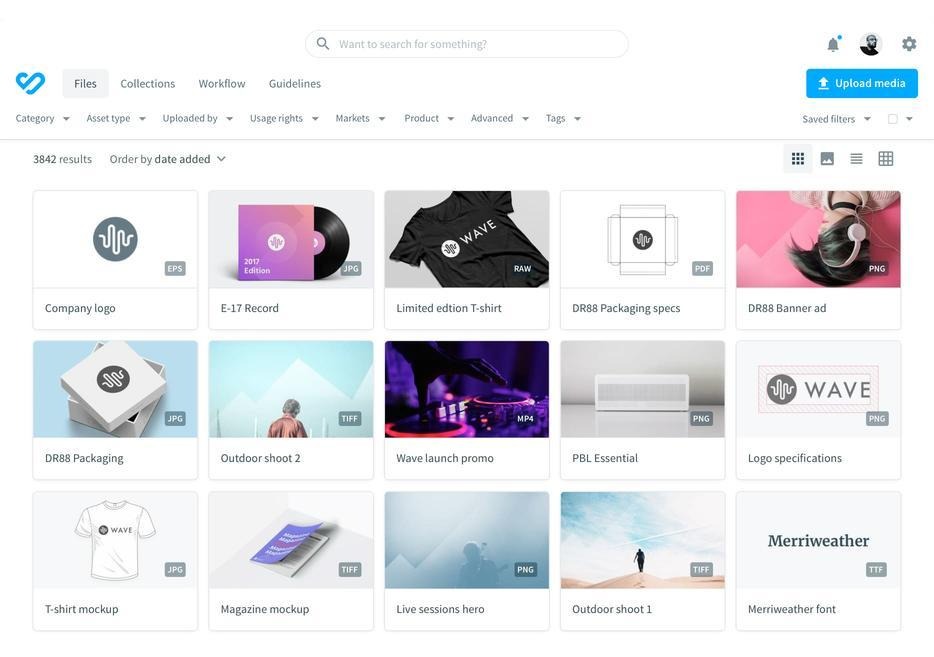
Bynder is an enterprise digital asset management platform that manages large volumes of brand assets and supports complex brand operations. The platform helps organizations maintain control over assets, workflows, and brand consistency across teams and regions.
Bynder provides a centralized asset library with strong search and tagging capabilities, which makes it easier to find and reuse content. Workflow tools support content creation, review, and approval processes, so teams can distribute assets without delays. Integration with platforms such as Adobe Creative Cloud, CMS tools, and marketing systems connects asset management with broader workflows.
Another key strength is its scalability. The platform supports large teams, multiple markets, and high volumes of content without losing structure or control. This makes it suitable for global brands that need consistent asset management across regions.
For example, a global retail brand can use Bynder to manage product images, marketing materials, and campaign assets across multiple countries while keeping everything consistent.
Bynder’s strengths lie in its strong workflow automation, integration, and scalability. However, the interface can feel complex for new users, and search accuracy often depends on how well assets are tagged and organized.
Which Tools Help You Measure Brand Perception and Performance?
Brand perception tools and analytics platforms help teams measure how people see a brand and how it performs over time. These tools have become essential as brands rely more on data to guide decisions and improve outcomes.
Brand perception has become a core part of modern brand measurement. Perception shows how people think and feel about a brand, which adds meaning to performance data.
Tracking measures past performance using metrics such as engagement, reach, and conversions. This method shows what has already happened. In contrast, prediction looks ahead by using data patterns to estimate how people may respond before content goes live.
Understand how audiences perceive your brand before campaigns launch
Neurons AI
.jpg)
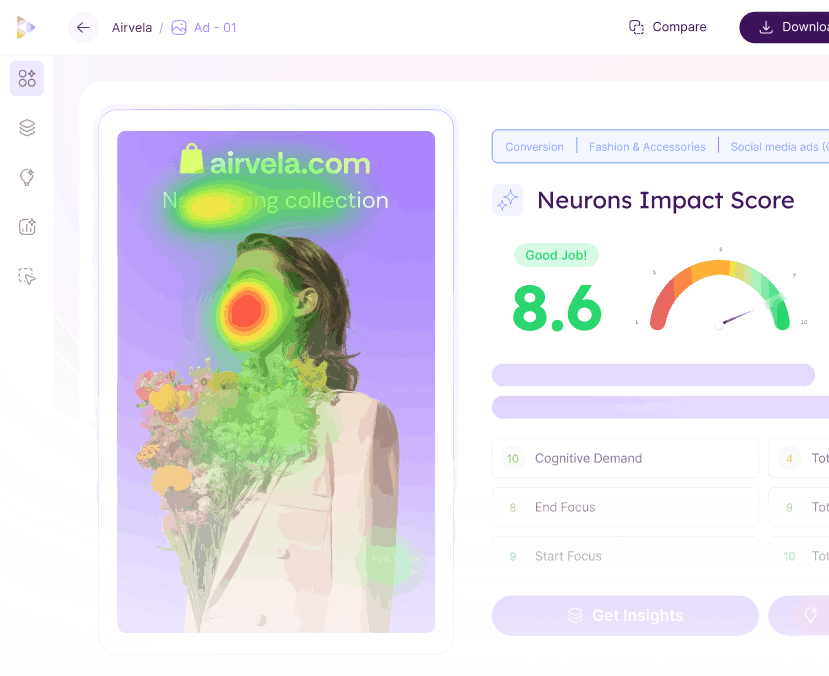
Neurons AI is a predictive brand analytics platform that helps teams test and improve creative work before launch. Neurons uses AI trained on neuroscience data to predict how people will respond to visual content. This reduces guesswork, helping marketing professionals make data-backed creative decisions.
The platform measures attention and emotional response using models trained on eye-tracking and behavioral data. It shows where people look first, what they focus on, and how they react to different elements. These insights help teams understand how design, layout, and messaging shape perception.
Brands use Neurons AI to test ads, packaging, landing pages, and other creatives. For example, a marketing team can upload an ad to see which parts attract attention. A product team can also test packaging to see what stands out on a shelf.
Traditional tools measure performance after launch using metrics such as clicks and conversions. Neurons AI, on the other hand, predicts responses before launch. This allows teams to improve creative work early and increase the chances of better results.
Predict attention and optimize creative performance with neuroscience-based AI
Attest
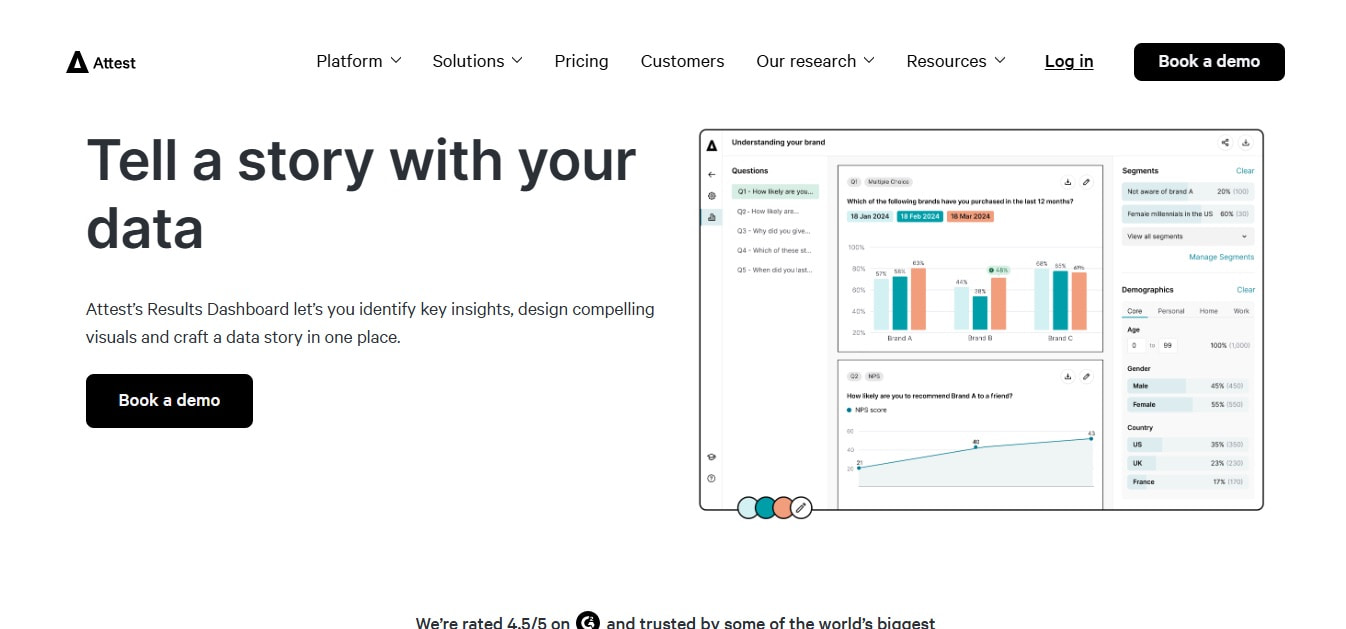
Attest is a consumer research platform that uses surveys to track brand perception over time. The platform collects feedback directly from target audiences, allowing brands to measure how people think and feel about them.
Survey-based brand tracking helps brands monitor changes in awareness, preference, trust, and sentiment. These metrics show how brand perception shifts over time and how audiences respond to campaigns or messaging.
The platform also provides audience insights by segmenting responses based on factors such as age, location, and behavior. This helps teams understand different audience groups and how each group perceives the brand.
Brands use Attest to test campaigns, messaging, and ideas. For example, a team can compare two versions of a campaign message and see which one builds more trust or preference among a specific audience group. This helps brands choose stronger messaging before scaling.
Which Tools Are Best for Managing Social Media Branding?
The best tools for managing social media branding are Hootsuite and Sprout Social. These tools help brands manage publishing, engagement, and performance across social platforms.
Social media plays a key role in brand management because it is often the main place where people interact with a brand. Posting regularly, interacting with users, and active engagement significantly shape how people see the brand over time.
Publishing features allow scheduling and managing of content across multiple channels. Engagement features then help brands respond to comments, messages, and mentions in one place. Analytics tracks metrics such as reach and engagement, which show what works and guide future content.
Hootsuite
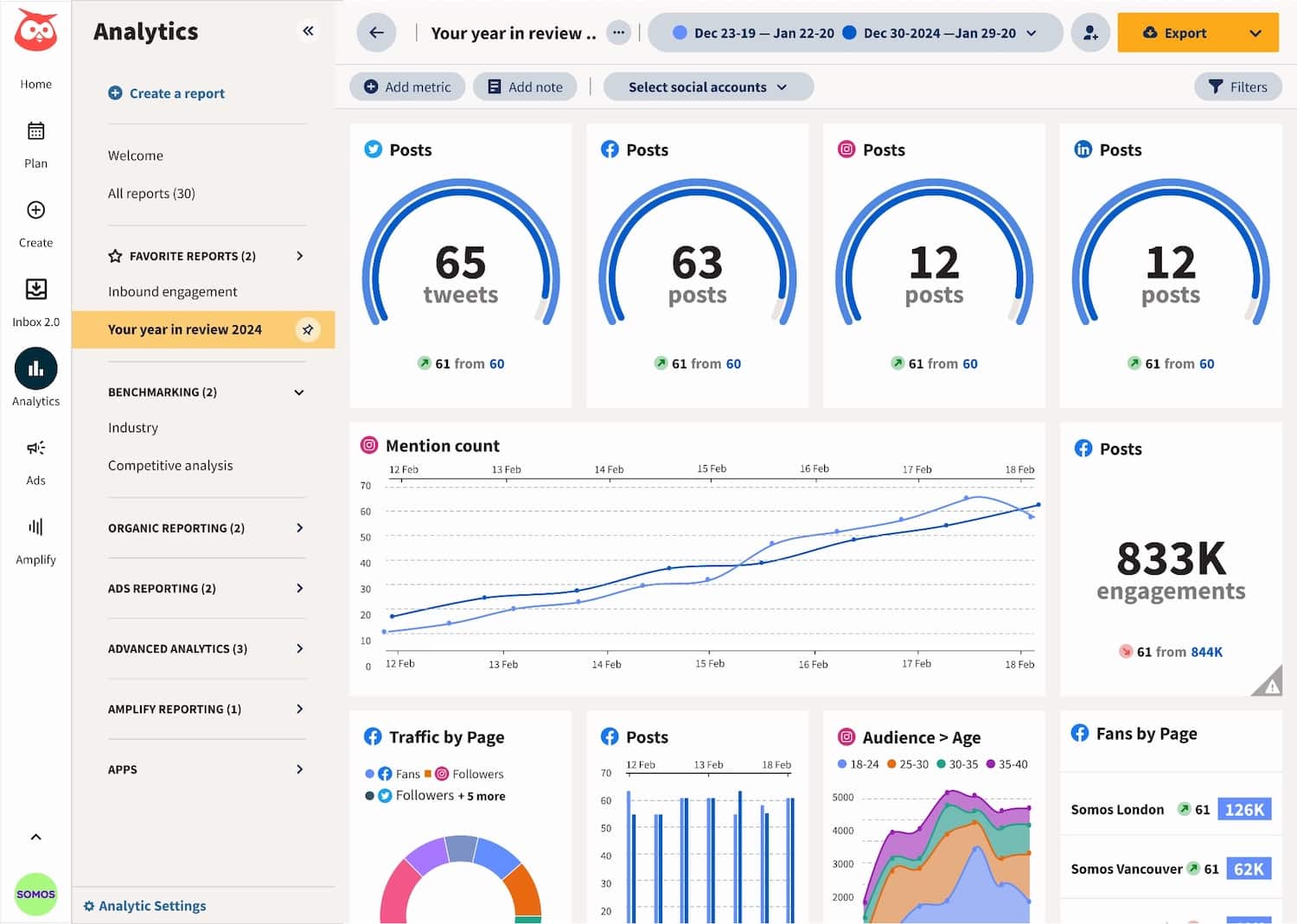
Hootsuite is a social media management platform that helps teams manage content and monitor activity across multiple channels from one dashboard. Brands use it to keep posting consistently and stay connected with their audience.
Hootsuite’s scheduling feature allows teams to plan content and publish posts at set times across platforms such as Instagram, Twitter, LinkedIn, and Facebook. This reduces manual work and encourages regular posting, even outside working hours. Consistent scheduling helps maintain visibility and strengthens brand presence over time.
Hootsuite also provides monitoring features that track mentions, comments, and messages in real time. Brands can see what people say about them and respond quickly from one place. This improves engagement and helps manage brand perception.
A typical workflow starts with planning content, then scheduling posts across channels, and finally monitoring responses after publishing. Social teams then review engagement, reply to messages, and adjust future content based on what performs well.
Strong multi-channel management and centralized monitoring make Hootsuite effective for managing several accounts at once. However, the interface can feel complex for new users, and some advanced features require higher pricing plans.
Sprout Social
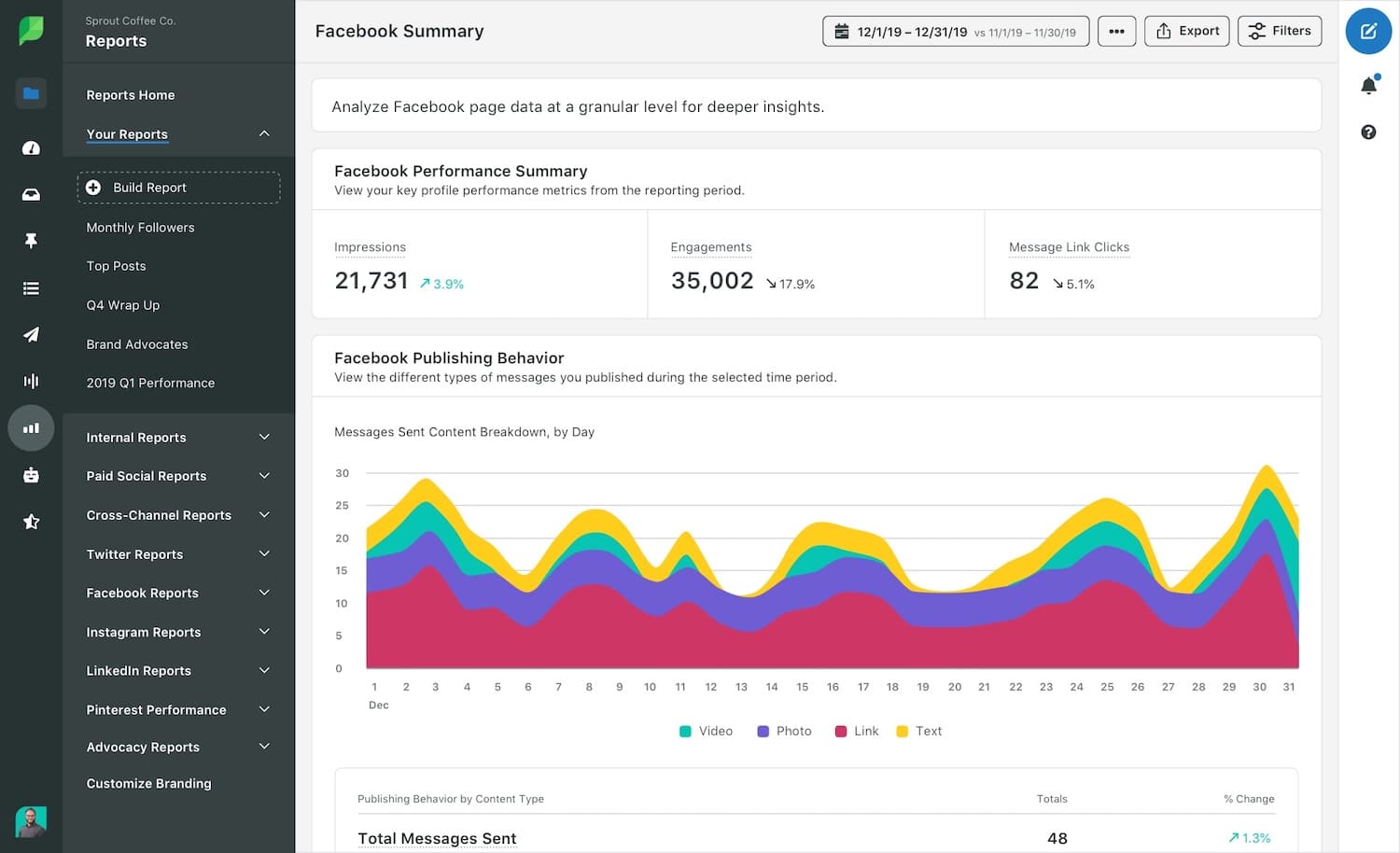
Sprout Social is a social media management platform that focuses on analytics, reporting, and customer engagement. The platform helps manage conversations, track performance, and understand how content performs across channels.
Sprout Social provides analytics and reporting details that go beyond basic metrics. The platform tracks engagement, audience growth, and content performance, then turns this data into clear reports. These reports highlight trends, compare campaigns, and guide better decisions. There's also a custom reporting feature that makes it easier to share insights with stakeholders.
A unified inbox brings messages, comments, and mentions into one place. This makes it easier to respond quickly and keep communication organized. CRM-like features show user profiles, track past interactions, and give context for each conversation, which improves how relationships are managed.
A typical use case involves monitoring conversations, responding to messages, and reviewing performance data to refine content strategy. Insights from the platform help brands improve engagement and build stronger relationships over time.
Which Tools Help Monitor Brand Reputation and Mentions?
Brand reputation and mentions are best monitored by tools such as Brandwatch and Brand24. These tools monitor conversations, mentions, and sentiment across digital channels.
Brand monitoring tracks where and how a brand is mentioned across platforms such as social media, blogs, forums, and news sites. Reputation management focuses on how the brand responds and maintains a positive image over time.
Real-time insights allow brands to see mentions as they happen and respond quickly, enabling them to manage negative feedback early and strengthen audience trust.
Brandwatch
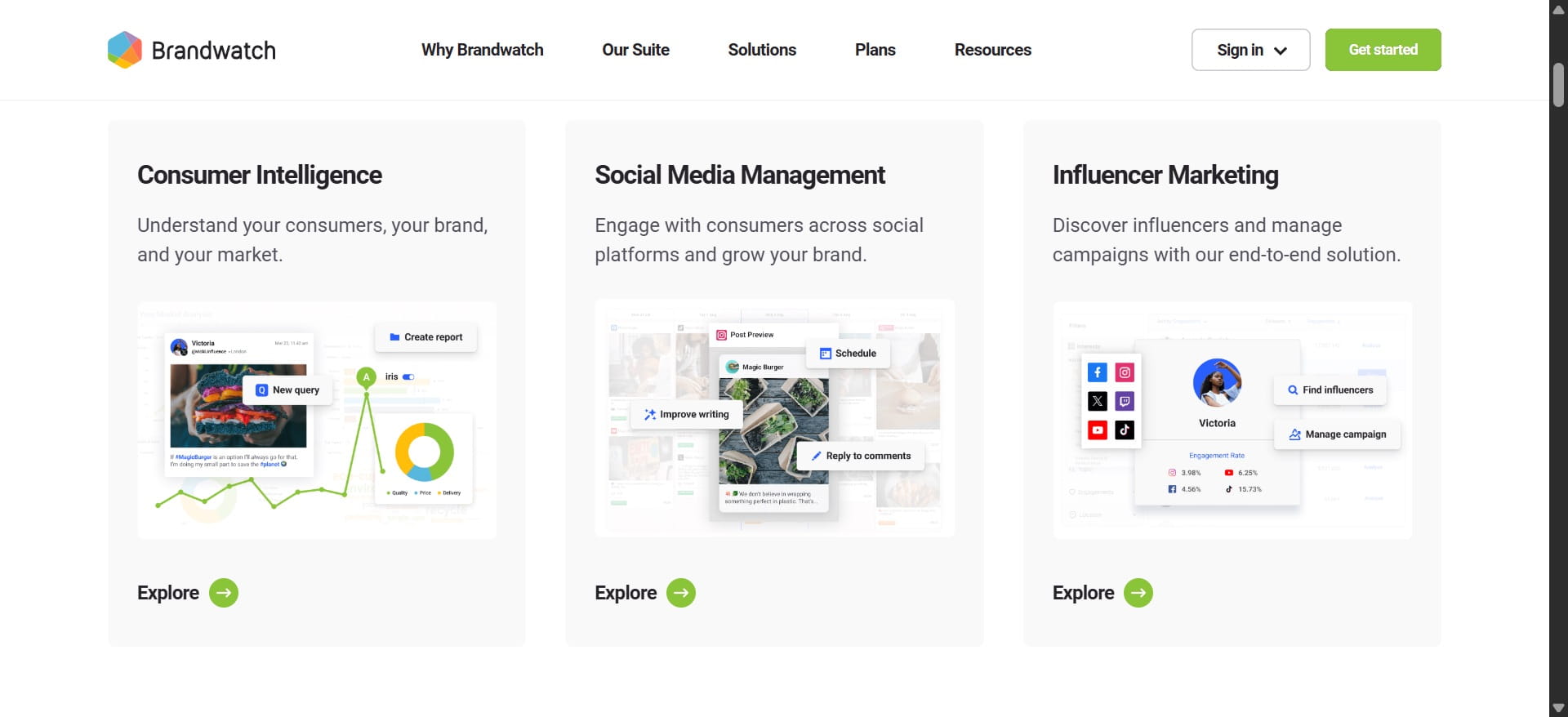
Brandwatch is a consumer intelligence platform that uses AI to analyze online conversations and track brand perception. The platform collects data from social media, blogs, forums, and news sites to show what people say about a brand. This helps identify trends, risks, and opportunities early.
The platform uses AI to detect sentiment, track topics, and find patterns in conversations. Clear dashboards and reports present these insights in a simplified manner, making it easier for brands to understand audience behavior and adjust strategy accordingly.
Brandwatch supports large teams and complex needs. The platform handles high volumes of data and supports multiple markets. It also allows custom searches and reports, giving brands more control over the data. Brands translate these insights into action by integrating Brandwatch with other tools.
Organizations use Brandwatch to track brand mentions during a campaign and spot changes in sentiment. This insight guides messaging and helps teams manage brand reputation in real time.
Brandwatch is best suited for large organizations due to its robust analytics, broad data coverage, and flexible customization.
Brand24
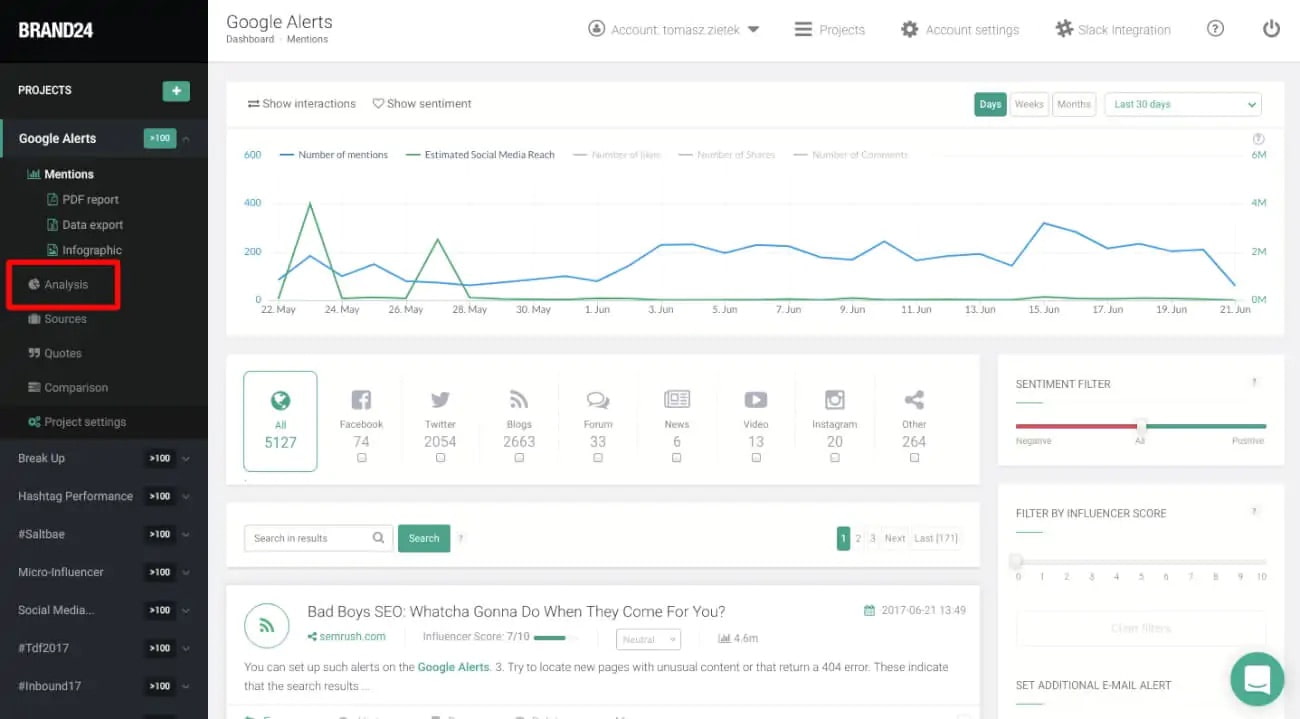
Brand24 is a brand monitoring tool that tracks mentions and conversations across online channels in real time. The platform scans social media, blogs, forums, and news sites to show where a brand appears and what people say about it. This helps spot trends and respond quickly.
The platform sends instant alerts when new mentions appear, helping brands respond quickly to feedback, complaints, or questions. Fast action helps manage brand reputation and keeps conversations under control.
Brand24 is easy to use and does not require a complex setup. The platform features a dashboard showing mentions, sentiment, and reach in a clear format. This feature makes it accessible for small teams and growing brands that need quick insights without heavy configuration.
A typical use case is tracking mentions during a product launch. Alerts highlight new conversations in real time, allowing brands to respond quickly and engage more effectively with their audience.
Strong real-time alerts and a simple interface make Brand24 effective for fast monitoring. However, data depth is more limited than enterprise tools, and advanced analysis options are fewer.
How Do You Choose the Right Brand Management Tool for Your Business?
To choose the right brand management tool, match the platform to your company's size, complexity, and specific needs. The framework below shows what to prioritize at each stage.
- Startups and Small Teams
Startups need simple, affordable tools that are easy to set up. At this stage, companies focus on keeping brand use consistent and staying responsive without complex workflows. Brand24 and Hootsuite offer strong options. These tools are easy to use, quick to set up, and don’t require large teams to manage.
- Mid-Size Companies
Mid-size teams need more structure as more people and channels come in. The focus shifts to workflow control, reporting, and collaboration. Sprout Social and Frontify support this level of growth. These tools handle collaboration across teams and keep workflows organized. They also provide more detailed reporting.
- Enterprise Organizations
Enterprise teams need tools that support scale and complexity. There is a demand for more advanced analytics, customization, and multi-market support. Bynder and Brandwatch handle this level of complexity. These tools support large teams and high data volumes. They also offer advanced controls and deeper insights.
Use-Case-Based Recommendations
Different business needs call for different tools. The use cases below show where each tool fits best.
- Neurons AI: Best for testing creatives and predicting performance before launch.
- Attest: Best for measuring brand perception through surveys and audience feedback.
- Brandwatch: Best for tracking brand sentiment and analyzing large-scale conversations.
- Brand24: Best for monitoring mentions in real time and responding quickly.
- Frontify: Best for managing brand guidelines and keeping assets consistent.
- Bynder: Best for handling large asset libraries and structured workflows.
- Hootsuite: Best for scheduling posts and managing multiple social accounts.
- Sprout Social: Best for deep analytics, reporting, and managing audience interactions.
Explore how to build and scale a strong brand across teams and channels
What Does a Complete Brand Management Tech Stack Look Like?
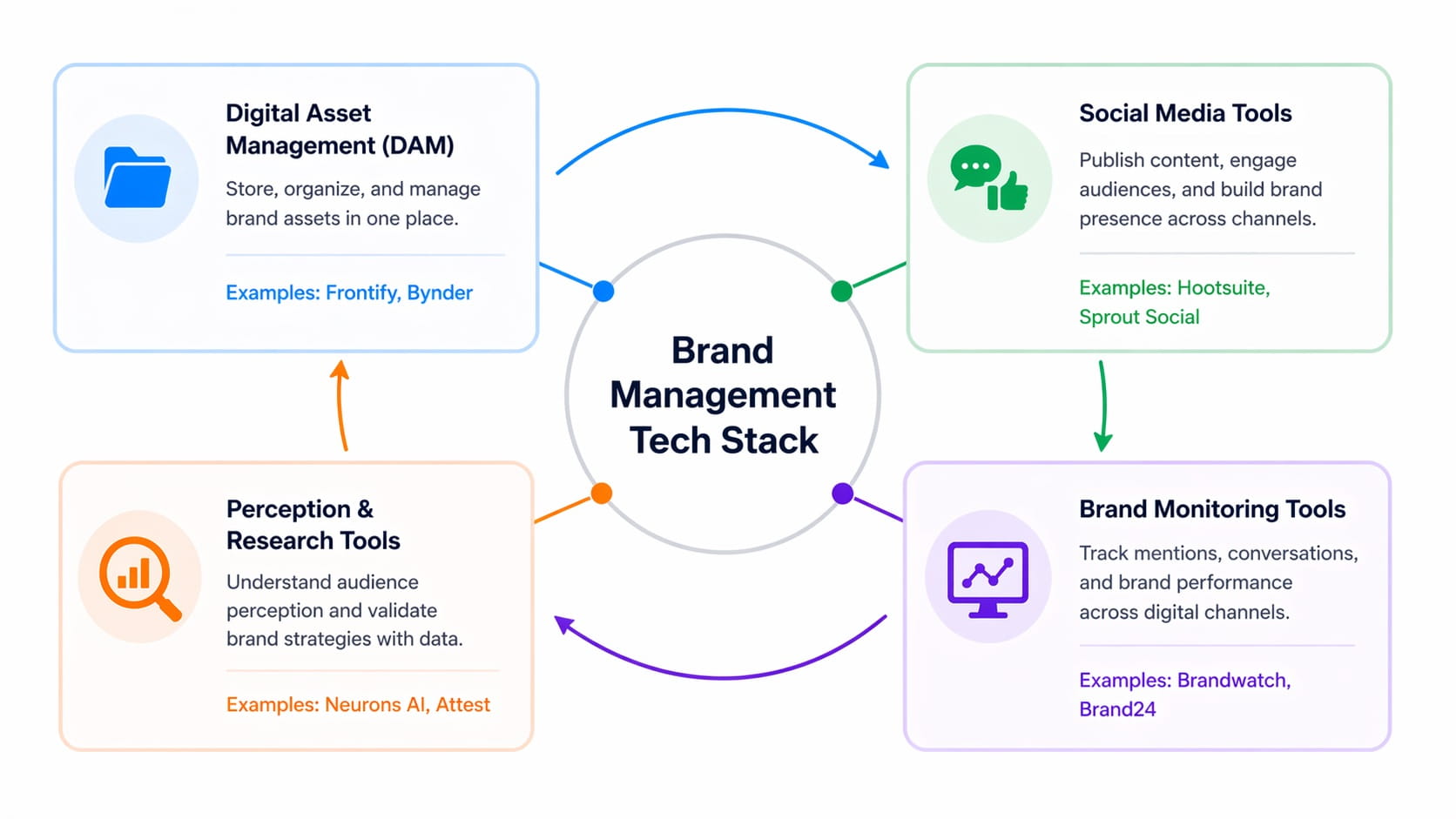
A complete brand management tech stack brings different tools together to manage a brand. Each tool handles a specific task, and together they support consistent and effective brand management.
A modern stack includes digital asset management, AI tools, social media tools, and monitoring tools. DAM tools like Frontify and Bynder store and organize brand assets. AI tools such as Neurons AI and Attest test creatives and provide insights before launch.
Social tools like Hootsuite and Sprout Social then use these assets to publish content and manage engagement. Monitoring tools like Brandwatch and Brand24 track how people respond across channels.
These tools connect through a continuous flow. Assets move from DAM into AI tools for testing and validation. Approved content then moves into social platforms for publishing. Conversations and feedback feed into monitoring tools. Insights from these tools then guide future updates to content and strategy.
This system helps brands reduce risk before launch, respond quickly after launch, and improve performance over time.
See how AI tools enhance brand performance and decision-making