
Brand growth is the process of increasing a brand’s demand, reach, and mental availability over time.
Beyond short-term sales, brand growth focuses on how many people know a brand, remember it, and choose it when it matters.
True brand growth happens when more people think of a brand first in its category and are more likely to buy from it repeatedly. It is not a one-time spike but a sustained increase in visibility, relevance, and preference.
At its core, brand growth means building lasting demand by expanding how widely and strongly a brand exists in people’s minds.
Learn how brand building drives long-term business growth
How Do You Grow a Brand?
To grow a brand, deliberately increase the number of people who know, remember, and choose it through clear positioning, consistent visibility, and continuous optimization.
A simple, high-impact process is outlined below.
- Define Your Audience and Positioning Clearly
Identify exactly who you want to reach and what you want to be known for. Be specific about their needs, pain points, and motivations, then position your brand as the obvious solution.
- Build Consistent Brand Visibility
Show up regularly across the platforms your audience uses, i.e., social media, email, or offline channels. The goal is repeated exposure and increased familiarity over time.
- Create Distinctive, Memorable Brand Assets
Develop a distinct look, voice, and message so people can instantly recognize your brand before they even see your name. This includes your visuals, tone, and content style.
- Expand Reach and Distribution Strategically
Increase your presence across multiple touchpoints, organic content, paid ads, partnerships, and platforms so more people can discover and access your brand.
- Measure Performance and Refine Continuously
Track what’s working and what isn’t. Use data to improve your messaging, channels, and creative output.
See how to build a brand that scales over time
What Is a Brand Growth Strategy?

A brand growth strategy is a structured, long-term plan designed to increase a brand’s awareness, demand, and market share.
Unlike general marketing, which can include short-term campaigns or isolated tactics, a brand growth strategy focuses on sustained, long-term expansion. It aligns every effort, creative channels, and messaging toward building mental and market presence.
Strategy comes before tactics because without it, actions become scattered and ineffective. Running ads, posting content, or launching campaigns without a clear strategy often leads to inconsistent results and wasted resources.
A strong brand growth strategy includes the aspects outlined below.
- Target audience definition: Who you are trying to reach and influence
- Positioning: What makes your brand different and why it matters
- Channel selection: Where and how you will reach your audience
- Messaging framework: What you consistently communicate
- Measurement system: How you track progress and success
What Actually Drives Brand Growth?
Brand growth is driven by a small number of core factors that consistently influence whether people notice, remember, and choose a brand.
- Reach
Reach is the number of people exposed to a brand. The more platforms a brand uses, the wider its reach.
For example, a skincare brand running ads only on Instagram limits its reach. Instead, it should expand into TikTok, YouTube, and retail placements to significantly increase exposure.
- Distinctiveness
Distinctiveness is how easily people recognize and remember a brand. This includes its visuals, tone of voice, logo, colors, and messaging.
A brand that uses a unique color palette and a consistent visual identity becomes instantly recognizable in a crowded feed.
- Consistency
Consistency builds familiarity, and familiarity builds trust. Showing up sporadically or changing your messaging constantly weakens brand memory.
A brand that posts regularly with a consistent tone and visual identity is more likely to stay top-of-mind than one that posts inconsistently.
- Distribution
Distribution is how easily people can find and buy from you. A strong distribution network ensures your brand is accessible across multiple touchpoints.
An e-commerce brand that expands into marketplaces and retail stores increases both visibility and sales opportunities.
- Relevance
Relevance ensures your brand actually matters to your audience by connecting to their needs, desires, and problems.
A fintech brand that speaks directly to the financial challenges faced by young professionals builds stronger engagement than one that uses generic messaging.
What Are the Most Effective Brand Growth Strategies?

The most effective brand growth strategies are the ones that increase reach, strengthen memorability, and convert attention into demand while adapting to modern consumer behavior.
The 6 most effective brand growth strategies are outlined below.
- Audience-First Positioning
Audience-first positioning involves defining your brand around a clearly identified audience and a value proposition that directly addresses their needs. Instead of trying to appeal to everyone, focus on being highly relevant to a specific group.
When To Use: Use when launching a new brand or repositioning an old one. It's also great for when your message feels too generic or when engagement is low despite consistent activity.
Expected Outcome: Sharper messaging, stronger relevance, and higher conversion rates because people immediately understand why your brand matters to them.
- Content-Led Brand Building
Content-led brand building focuses on using consistent, valuable content to grow awareness and trust. This strategy includes educational posts, entertaining videos, or insightful commentary that aligns with your audience’s interests.
When To Use: Use when trying to build sustainable, long-term visibility without using paid ads. It's also a great way to build thought leadership in your niche.
Expected Outcome: Increased organic reach, stronger audience relationships, and improved brand recall.
- Distinctive Brand Assets
This brand growth strategy creates a recognizable visual identity and tone of voice that sets your brand apart from competitors. Having distinctive brand assets makes your brand instantly recognizable even without a logo.
When To Use: Use when scaling across multiple channels or competing in a crowded market. Also useful when engagement is high but recall is low.
Expected Outcome: Higher memorability, faster recognition, and stronger mental availability at the point of purchase.
- Multi-Channel Distribution
Multi-channel distribution expands a brand's presence across multiple platforms and touchpoints to maximize its exposure and accessibility.
When To Use: Use when growth plateaus on a single platform or your audience exists across different channels.
Expected Outcome: Broader reach, more consistent discovery, and increased opportunities for customer acquisition
- Data-Driven Optimization
Data-driven optimization uses analytics and performance data to continuously refine targeting, messaging, and channel strategy.
When To Use: Use when scaling campaigns or improving return on investment.
Expected Outcome: More efficient spending, better targeting, and consistently improved performance over time.
- Creative Testing And Optimization
This strategy involves systematically testing different creatives, e.g., headlines, visuals, formats, and hooks, to identify what drives the most attention and engagement.
When To Use: Use when campaigns are underperforming or when scaling paid or organic reach. Creative testing and optimization are also great for entering new markets or audiences.
Expected Outcome: Stronger engagement, more effective communication, and better-performing marketing overall.
Discover how AI improves advertising performance and creative effectiveness
What Are Examples of Successful Brand Growth Strategies?
The easiest way to understand how brand growth works in practice is to look at real companies that have applied the exact strategies discussed earlier. Below are three case studies, each clearly tied to a specific growth strategy.
- Nike — Audience-First Positioning

Nike needed to stay culturally relevant and deepen its connection with younger, value-driven audiences in a competitive market.
Strategy and Execution: It aligned its brand with the beliefs and identity of its core audience, especially around empowerment and social issues.
Through campaigns like “Dream Crazy,” Nike told emotionally resonant stories that reflected its audience’s worldview rather than trying to appeal to everyone.
Result: The campaign drove massive engagement, strengthened loyalty, and reinforced Nike as a brand people identify with, not just buy from.
- Teads × Neurons Inc — Creative Testing & Data-Driven Optimization

Teads needed to help its client improve brand awareness and campaign performance using only existing video assets.
Strategy and Execution: They used AI-powered creative optimization to predict and improve how content would perform before launch.
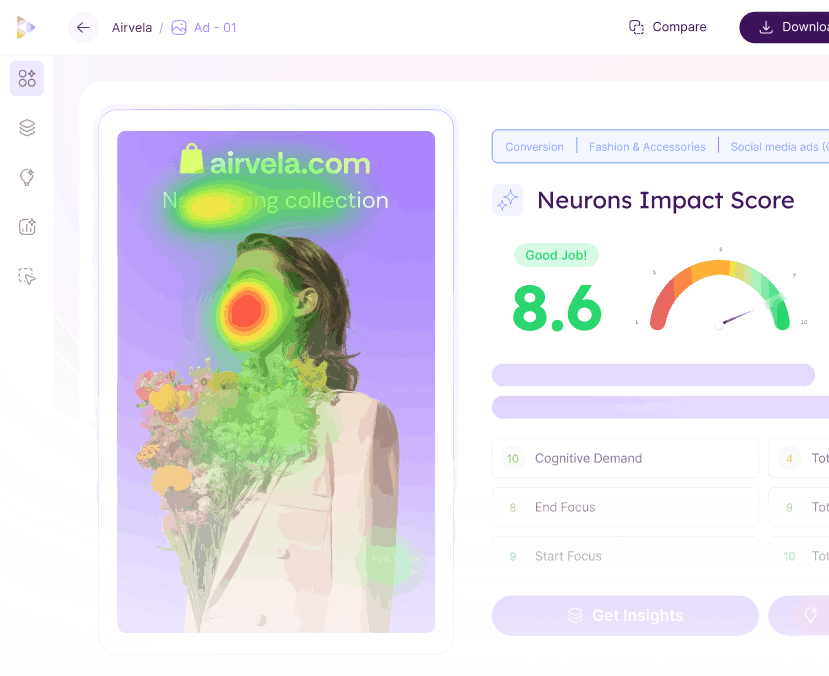
Using Neurons AI, the team analyzed raw video content and received specific recommendations, such as adjusting scenes, adding logos earlier, and improving attention flow. These insights guided iterative edits across formats and channels, including digital and TV.
Result: The optimized campaign significantly outperformed the original, achieving +64% brand awareness, +29% ad recall, and +47% brand linkage.
The improvements came directly from data-backed creative decisions, not guesswork, demonstrating how modern optimization drives measurable brand growth.
- Coca-Cola — Distinctive Brand Assets

In a crowded global market, Coca-Cola needed to maintain instant recognition across generations.
Strategy and Execution: Coca-Cola consistently reinforced its visual identity and emotional branding.
Through its iconic red color, script logo, and consistent global campaigns, Coca-Cola ensured every touchpoint reinforced brand memory.
Result: Coca-Cola remains one of the most recognizable brands globally, with strong mental availability that drives continuous demand.
How Do You Build a Brand Growth Strategy Step by Step?
To build a brand growth strategy step by step, follow a structured system that helps your brand attract attention and convert it into long-term demand.
- Conduct Research
Start by identifying who your audience is, their desires, recurring pain points, and why they choose competitors. Do this by studying customer reviews, forums, and social media conversations.
You also need to study competitors, what they are doing well, and if there are gaps you can own. Achieve this by analyzing 3-5 direct competitors and documenting their positioning.
The goal is clarity: understanding the market well enough to spot opportunities others are missing.
- Define Positioning
Decide what category you belong to, what you stand for, and what makes you meaningfully different.
You can start by writing a simple positioning statement: We help [audience] achieve [outcome] through [unique value]. From there, identify your primary differentiator and define what your brand should not be known for.
- Identify Your Audience
Break your audience into 2-3 key segments based on behavior or needs, then highlight the segment with the highest potential for long-term value.
You can then build a simple profile for each audience segment and then prioritize one core audience instead of trying to target everyone.
This step narrows your focus to the audience segments that matter most for growth so you can refine your messaging to feel specific.
- Strategically Select Your Channels
Choose 2-3 primary channels, e.g., Instagram, TikTok, or email, based on where your audience is most active. Then define the role of each channel, i.e., awareness, engagement, and conversion. For example, a brand targeting young adult working professionals can use Instagram to build awareness and email to drive conversions.
Also, avoid spreading too thin across too many platforms earlier on; choose the platforms that work best and stick to them.
- Build and Execute Your Content and Campaign System
Your execution system defines how your brand consistently shows up and builds recognition over time.
Start by creating 3–5 content pillars aligned with your audience's needs. Launch campaigns tied directly to your position and goals, ensuring that every piece of content reinforces your brand's values.
- Measure Performance and Track What Matters
A brand growth strategy is incomplete without measurement. But the key is focusing on the right signals, not just vanity metrics.
The core metrics to track include brand perception, conversion, and awareness metrics.
- Iterate, Refine, and Scale What Works
Double down on high-performing content, channels, and messages, and quickly adjust underperforming efforts. Also, test variations of messaging, creative, and formats using tools like Neurons AI.
Expand successful campaigns into new channels or audiences and revisit positioning periodically as the market evolves.
Watch our webinar on how to build a powerful brand in a performance-driven world
What Is the Difference Between Brand Marketing and Growth Marketing?
The difference between brand marketing and growth marketing lies in their goals, time horizon, metrics, and tactics.
Brand marketing focuses on building perception. It shapes how people feel about a brand over time, strengthening awareness, trust, and emotional connection.
Growth marketing, on the other hand, is focused on measurable performance. It is designed to drive acquisition, activation, and revenue through data-driven decision-making.
Brand and growth marketing work best together, not separately.
Brand marketing builds awareness, trust, and long-term demand, reducing reliance on constant paid attention. Growth marketing converts that demand into measurable results efficiently.
How Do You Measure Brand Growth?
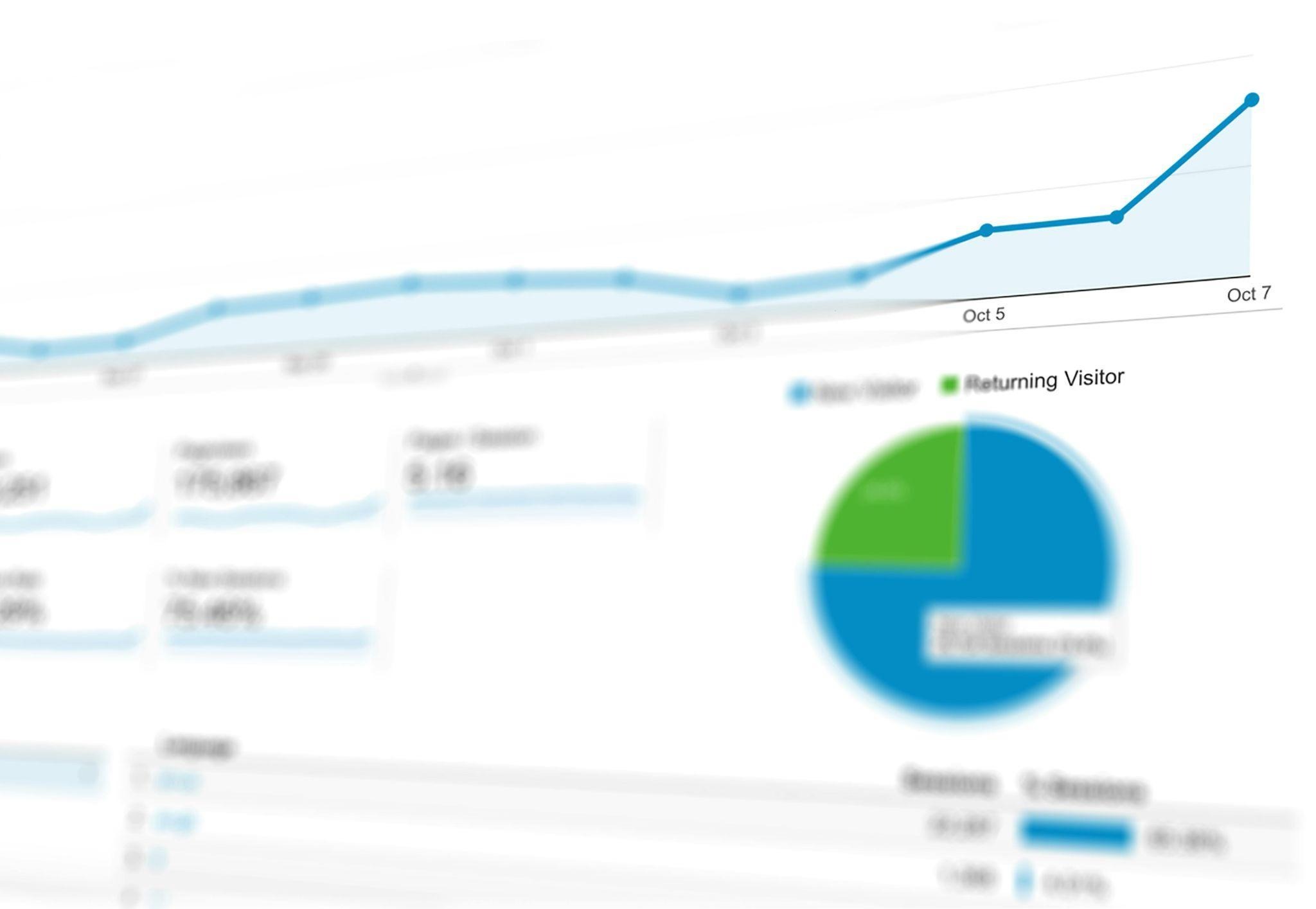
To measure brand growth, track both perception-based signals and performance outcomes. These give a complete view of whether your brand is expanding in a meaningful way.
The four key concepts in measuring brand growth are awareness, consideration, market share, and brand equity.
- Awareness
Awareness measures how many people know your brand exists.
You can evaluate awareness through brand search volume, channel reach, and impressions, and social media mentions.
- Consideration
Consideration measures how often your brand is actively considered when someone is ready to buy.
You can track consideration through click-through rates on branded content or ads, comparison behavior, and survey data.
- Market Share
Market share shows how much of your category you own compared to competitors. It is one of the clearest indicators of real-world brand growth because it reflects customer behavior rather than just perception.
Market share is measured by comparing sales volume with competitors and revenue share within your category.
- Brand Equity
Brand equity reflects the overall strength and value of your brand in the market. It combines awareness, trust, perception, and loyalty into a single long-term indicator.
You can evaluate brand equity through customer loyalty, sentiment, brand perception research, and Net Promoter Score (NPS).
Leading and lagging indicators are also vital to measuring brand growth.
Leading indicators are early signals that predict future growth. They indicate if your brand is gaining momentum before it shows up in revenue, therefore helping you adjust your strategy in real time.
Examples include increased brand search volume, rising social engagement, or growth in website traffic or followers.
Lagging indicators are results that confirm growth has already happened. They reflect outcomes rather than early signals.
Examples include revenue growth, increased market share, and repeat purchase rates.
A strong brand measurement system combines both perception and performance, with leading and lagging indicators. When tracked together, these metrics give you a clear picture of whether your brand is simply active or actually growing in a meaningful and sustainable way.
Learn how to measure attention and predict marketing effectiveness
What Metrics and KPIs Matter Most for Brand Growth?
The metrics and KPIs that matter most for brand growth reveal whether a brand is becoming more visible, engaging, persuasive, and valuable.
The most effective measurement systems group metrics into four clear categories: awareness, engagement, conversion, and retention.
- Awareness
Awareness metrics measure how widely a brand is being seen and recognized. Reach and impressions, brand search volume, share of voice, and direct web traffic are all examples of awareness metrics.
These metrics connect directly to growth by showing whether your brand is expanding its presence in the market and becoming more familiar to potential customers.
- Engagement Metrics
Engagement KPIs show how actively people interact with your brand after seeing it.
Engagement metrics include likes, comments, shares, average watch time, social saves, and click-through rate.
These metrics reveal whether your brand is actually holding attention and building familiarity.
- Conversion Metrics
Conversion KPIs measure how effectively attention turns into meaningful business outcomes.
Examples of conversion metrics include conversion rate, cost per acquisition (CPA), lead quality, and landing page performance.
These metrics indicate whether your brand goes beyond attracting attention to influencing decisions.
- Retention Metrics
Retention KPIs measure how well your brand sustains relationships after the first interaction or purchase. Examples of retention metrics include repeat purchase rate, churn rate, Customer Lifetime Value (CLV), and Net Promoter Score (NPS).
These metrics reflect long-term brand strength and loyalty, which are essential for sustainable scaling.
When tracked together, these KPIs move beyond isolated performance signals and form a complete picture of how effectively your brand is growing in both reach and value over time.
What Role Does Data and AI Play in Brand Growth Today?

Data and AI have transformed brand growth by replacing guesswork with real-time, evidence-based decision-making. Brands can now identify which audiences to target, what messages resonate, and which channels deliver results, making growth faster and more predictable.
A key application is creative testing and optimization. Instead of relying on a single campaign, brands test multiple versions of headlines, visuals, and messaging. AI analyzes performance quickly, identifying top-performing elements so marketers can refine and scale what works.
For example, a fashion brand can test several ad creatives and invest only in the highest-performing ones, improving conversions without increasing spend.
Another major shift is attention measurement. AI tools can estimate how users interact with content, such as where they focus and when they lose interest. This helps brands create content that captures and holds attention.
For instance, media companies can track video drop-off points and adjust storytelling to improve engagement.
Finally, AI enables real-time optimization. Brands can continuously adjust budgets, targeting, and creatives during campaigns rather than wait for results afterward. This reduces wasted spend and accelerates learning, turning brand growth into a more efficient, data-driven process.
What Are the Biggest Mistakes That Limit Brand Growth?
The biggest mistakes that limit brand growth reduce visibility, weaken memorability, and make marketing less effective over time
- Over-Reliance on Performance Marketing
Focusing only on ads and short-term conversions may drive quick wins, but it makes acquisition increasingly expensive. Growth slows the moment ad spend drops.
Instead, balance performance with brand marketing. Invest in awareness, content, and distinctiveness so demand grows, not just conversions.
- Inconsistent Brand Presence
Irregular posting, shifting messaging, or inconsistent visuals make your brand forgettable and reduce trust
To fix, commit to consistent visibility and a unified brand identity across all channels.
- Ignoring Data and Feedback
Decisions based on assumptions lead to wasted budget and missed opportunities. Track key metrics, analyze performance, and use insights to guide optimization.
- Weak or Forgettable Brand Identity
Blending in with competitors results in low recognition and poor mental availability. Invest in distinctive brand assets that make your brand instantly recognizable and memorable.
How Can You Accelerate Brand Growth Sustainably?
To accelerate brand growth, you must balance long-term brand building with short-term performance.
A practical checklist is outlined below.
- Maintain consistent visibility across channels
- Invest in distinctive brand assets
- Expand reach through multi-channel distribution
- Use data to guide decisions
- Continuously test and refine strategies
- Balance brand marketing with growth marketing
The goal is not just to grow quickly, but to grow in a way that compounds over time.
Brand growth is not a single campaign or tactic. It is a system. And when built correctly, it creates lasting demand, stronger recognition, and sustained business success.
Learn how to balance long-term brand building with short-term performance marketing