
Brand advertising tools are platforms that help businesses promote their brand and shape how people see it.
Brand advertising and performance advertising focus on different goals. Brand advertising builds awareness and long-term recognition. Performance advertising, on the other hand, drives quick actions such as clicks and sales.
Today, AI is changing how brand advertising works. Teams test ideas faster and predict results before campaigns go live. This reduces guesswork and improves outcomes.
This guide highlights the best brand advertising tools across key categories, from creative testing to campaign analysis.
Learn how brand advertising drives long-term growth
What Should You Look for in a Brand Advertising Tool?
When choosing a brand advertising tool, consider your goals, channels, budget, and creative needs. Follow the framework below to make the right choice.
- Define Your Goal
Decide what you want to achieve. This could be awareness, reach, or perception. A clear goal helps you choose the right tool.
- Choose Your Channels
Identify where you want to run campaigns, whether on social media, search, or display. Choose tools that support these channels.
- Set Your Budget
Decide how much you can afford to spend. Some brand advertising tools are better suited for smaller budgets, while others are built for larger campaigns. Choose a tool that fits your budget and expected scale.
- Assess Your Creative Needs
Decide how you will create and test content. Some tools focus on creative testing and design, while others focus on distribution and tracking. Choose what matches your needs.
What Are the Best Brand Advertising Tools Right Now?
The best brand advertising tools include Neurons AI, Google Ads, Meta Ads Manager, and TikTok Ads Manager, among others.
These tools are selected based on brand impact, scalability, and AI capabilities.
Neurons AI

Neurons AI is a predictive analytics platform for attention prediction and creative testing.
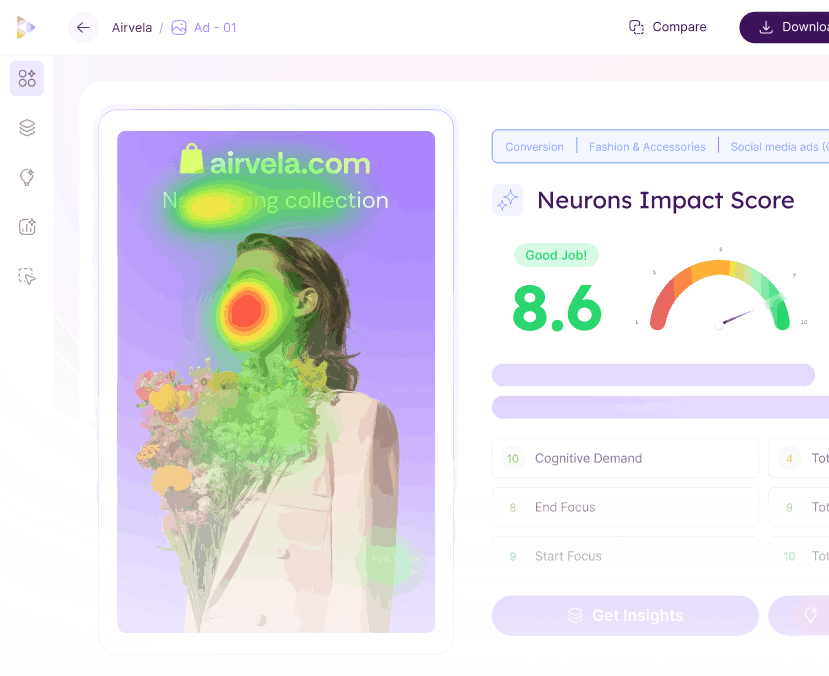
The model predicts attention using heatmaps to show where viewers are likely to focus. These insights help brands refine visuals and messaging before launch and improve performance early.
With Neurons AI, brands can test multiple creatives before a campaign goes live. For example, a brand compares two ad designs and selects the one that holds attention longer. This reduces guesswork and speeds up creative decisions.
Unlike traditional A/B testing, Neurons AI works before launch and does not require live traffic or ad spend.
As a result, brands can measure attention and predict recall before a campaign starts. These metrics show how well an ad will capture interest and support a stronger brand impact.
Predict ad performance with AI-powered attention insights
Google Ads
Google Ads is one of the most widely used brand advertising tools for reaching large audiences. Brands use Google Ads to run campaigns at scale across websites, apps, and video platforms.
The platform supports display and video advertising through the Google Display Network and YouTube. Display ads appear across websites, while video ads run on YouTube and partner platforms, giving brands a broader reach.
Google Ads is great for awareness and retargeting. For example, a brand can run video ads to introduce a product, then follow up with display ads to re-engage viewers.
This advertising tool works best for campaigns that require a wide reach and repeated exposure. It suits brands that want to stay visible across channels and reach large audiences.
Meta Ads Manager
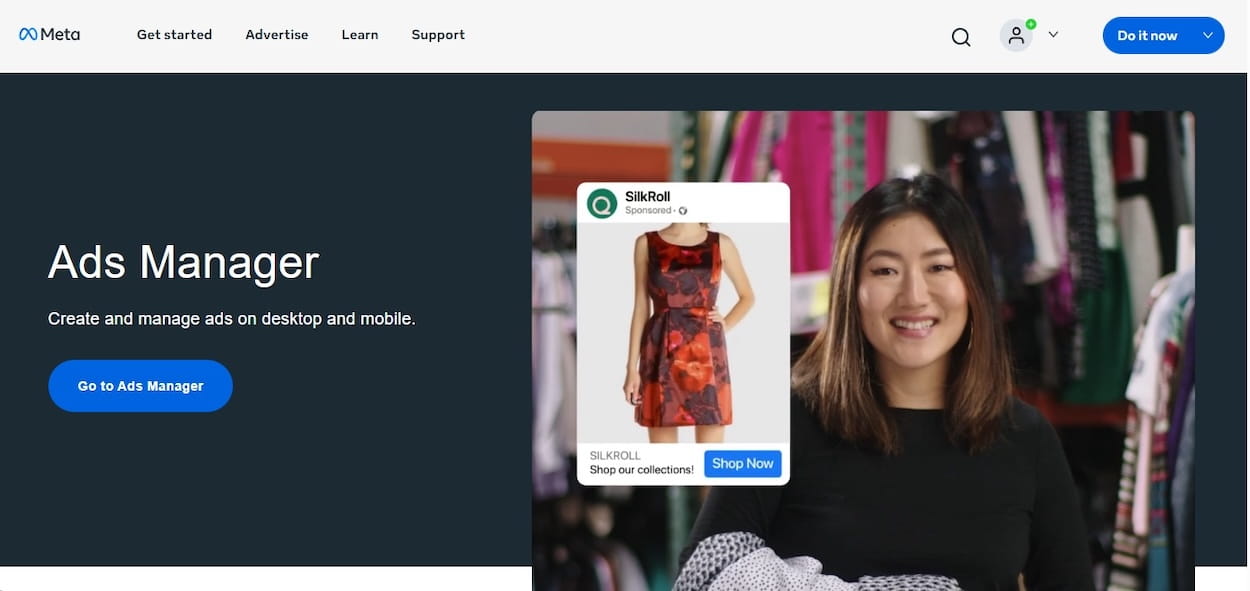
Meta Ads Manager is a social media advertising platform for running campaigns across Facebook and Instagram.
The platform offers strong audience targeting based on interests, behavior, and demographics. This allows brands to reach specific groups with relevant campaigns.
Meta Ads Manager supports a range of creative formats, including image and video ads, carousels, and stories, allowing brands to present content in different ways.
Among brand advertising tools, Meta Ads Manager stands out for storytelling and engagement campaigns. For example, a brand can run a series of video ads, then use interactive formats to drive likes, comments, and shares.
TikTok Ads Manager
TikTok Ads Manager is a social media advertising platform built for short-form video campaigns.
Brands create short-form advertising content that is native to the feed and helps capture attention quickly. This creative-first approach sets it apart from more traditional brand advertising tools.
TikTok Ads Manager offers flexible ad formats, including in-feed ads, branded hashtags, and top-view placements. As a result, brands can experiment with different styles and reach users organically.
Brands use TikTok Ads Manager for viral brand campaigns. For example, a brand can launch a hashtag challenge and encourage users to create their own videos, driving engagement and increasing organic reach.
Amazon Ads
Amazon Ads is an advertising platform built for retail visibility and product discovery. The platform helps brands appear where shoppers search, browse, and compare products. This feature makes it easier to stay visible at key decision points.
Sponsored Brands campaigns place a brand logo, headline, and multiple products at the top of search results. Ads like these increase visibility and help shoppers recognize the brand as they explore options.
Amazon Ads supports full-funnel campaigns. Upper-funnel formats build awareness, while mid- and lower-funnel ads drive consideration and purchase. This allows brands to guide shoppers from discovery to conversion within one platform.
AdRoll

AdRoll is an advertising platform that supports cross-channel campaigns and retargeting. The platform helps brands reach users across the web, social, and email from a single place, keeping messaging consistent across channels.
The platform also reconnects with users who have previously visited a site or interacted with a brand. This keeps the brand visible and encourages users to return to complete actions.
AdRoll uses automation and segmentation to improve campaign performance. The platform groups audiences based on behavior and automatically triggers ads.
AdRoll works best for re-engagement campaigns. For example, a shopper may leave a site without buying, then later see a reminder ad or a follow-up message on another channel. This brings the shopper back and increases the chance of conversion.
HubSpot Marketing Hub
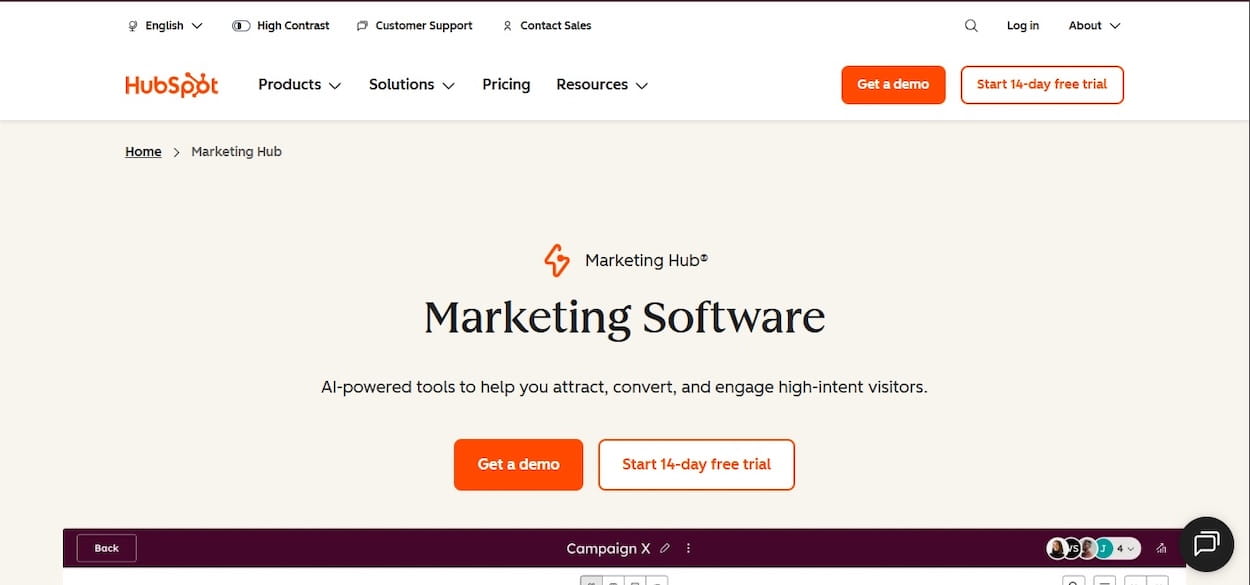
HubSpot Marketing Hub is a marketing platform built for inbound marketing and brand nurturing. The platform helps brands attract audiences through content, engage them over time, and build lasting relationships.
HubSpot connects marketing activities with a built-in CRM, allowing brands to track interactions, manage contacts, and personalize communication based on user behavior.
The platform provides automation features that support email campaigns, lead nurturing, and content delivery. These features maintain consistent communication and build stronger relationships with audiences.
Brands use HubSpot Marketing Hub for long-term brand-building campaigns. For example, a brand can run a content-driven campaign that attracts leads, nurtures them with email sequences, and keeps them engaged over time.
Canva
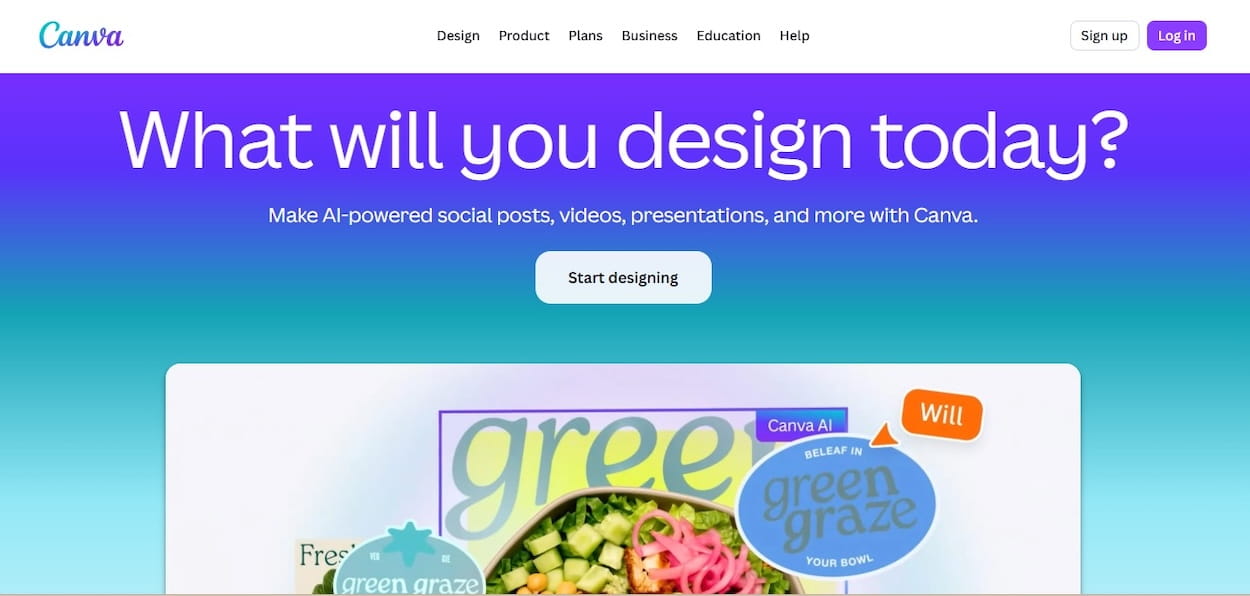
Canva is a design platform for creating brand assets, including visuals for ads, social media, and marketing content.
The presence of drag-and-drop tools and predesigned templates makes the platform fast and easy to use, even for non-designers.
Canva is ideal for quick creative production among other brand advertising tools. For example, a team can create multiple ad visuals in minutes and adapt them for different platforms.
Adobe Advertising Cloud
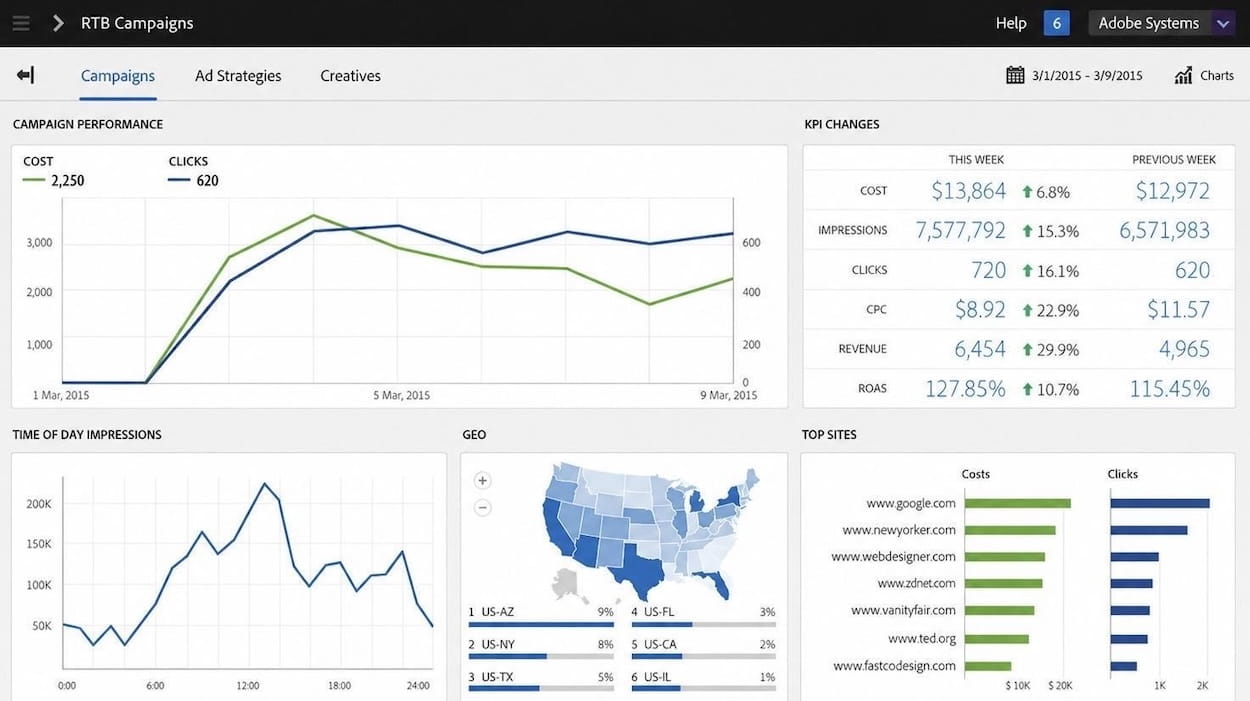
Adobe Advertising Cloud is an enterprise platform designed to manage complex advertising operations. Large teams use it to manage multiple campaigns, markets, and audiences within a single system.
Cross-channel orchestration connects campaigns across search, display, and video. keeping messaging aligned and ensuring campaigns run smoothly across channels.
Adobe Advertising Cloud works well for large-scale brand campaigns. For example, a brand can launch ads across multiple channels simultaneously and keep everything aligned from a single platform.
Hootsuite Ads
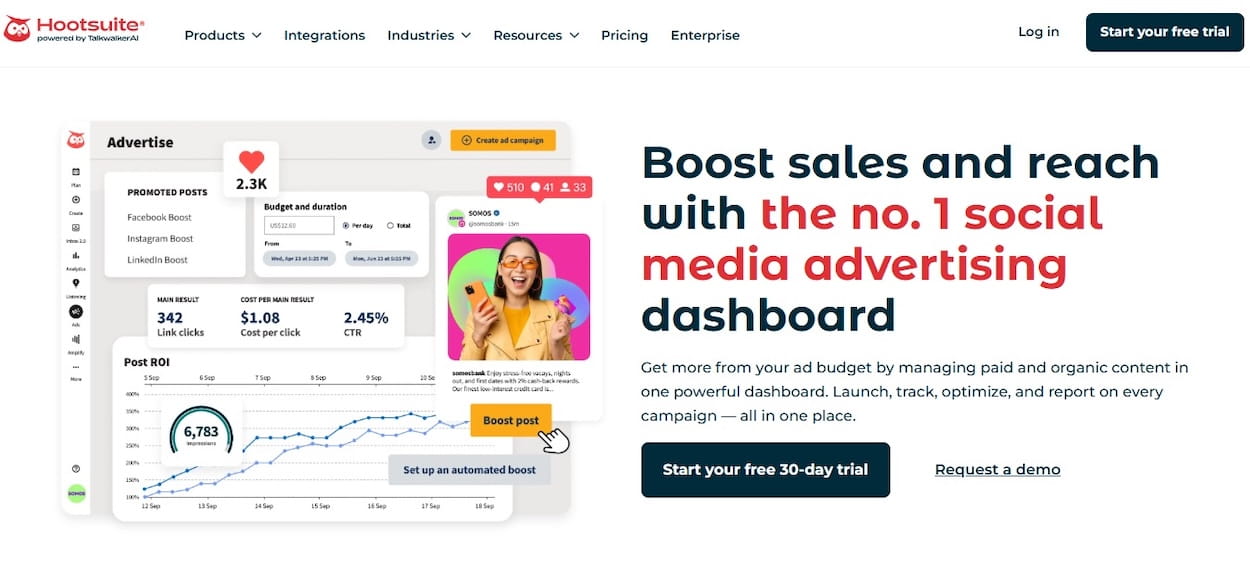
Hootsuite Ads is a platform for managing social advertising campaigns. Brands use Hootsuite Ads to create, run, and oversee campaigns across multiple social channels.
The platform includes scheduling and analytics features that support campaign management. Scheduling tools allow brands to plan and publish ads in advance, while analytics track performance and show how campaigns perform over time.
Hootsuite Ads works well for maintaining a consistent brand presence. For example, a brand can schedule campaigns across platforms and monitor results to keep messaging steady and visible.
How Do These Brand Advertising Tools Compare?
The table below compares the key brand advertising tools across categories, functions, and best use cases.